
Goal 1
A new digital era for all
Digital spaces, governance, services and technologies will be rooted in human rights and enable the diversity of human experience.

SPOTLIGHT ON...
Iran









Releasing Iran's digital chokehold
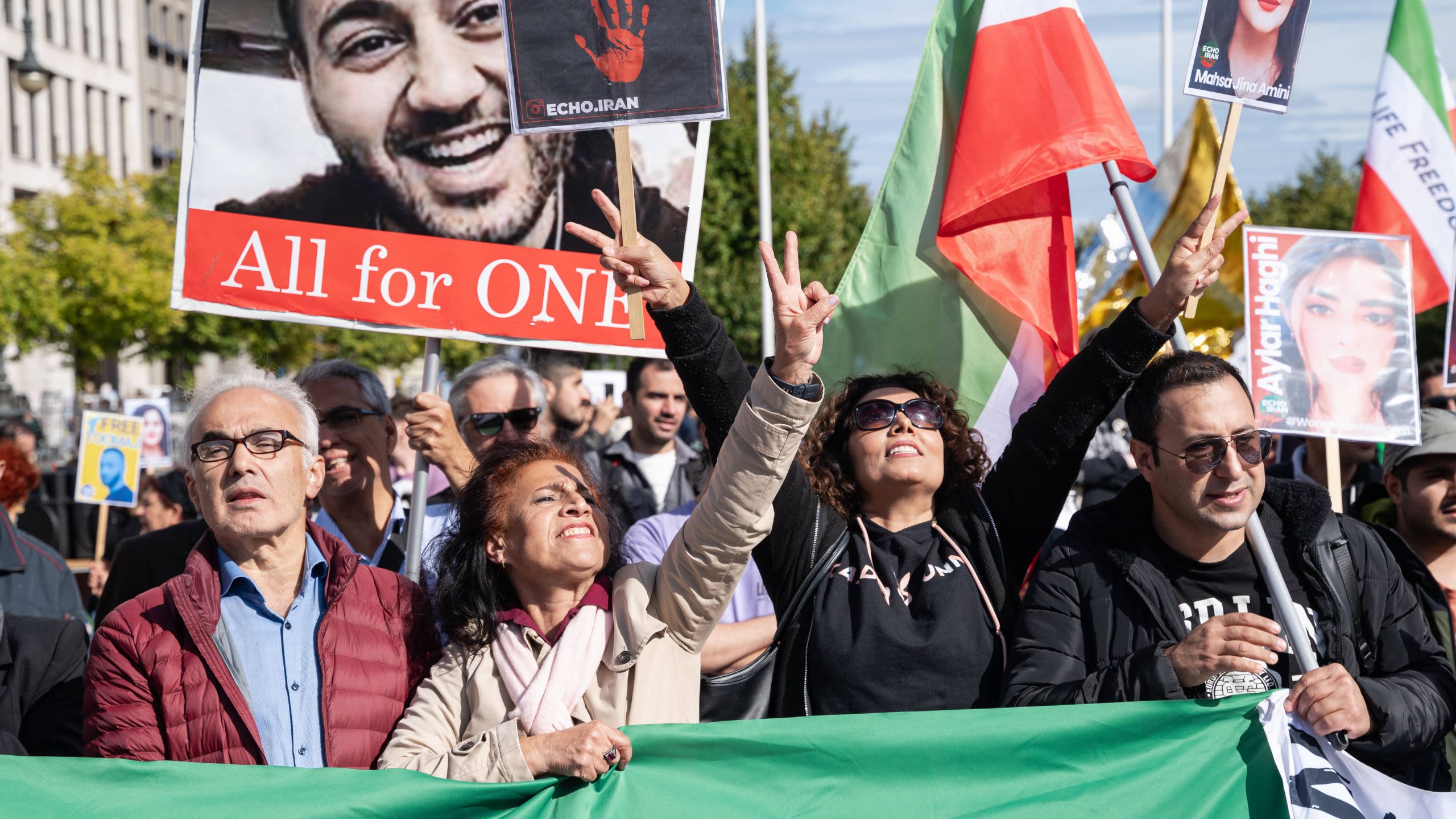
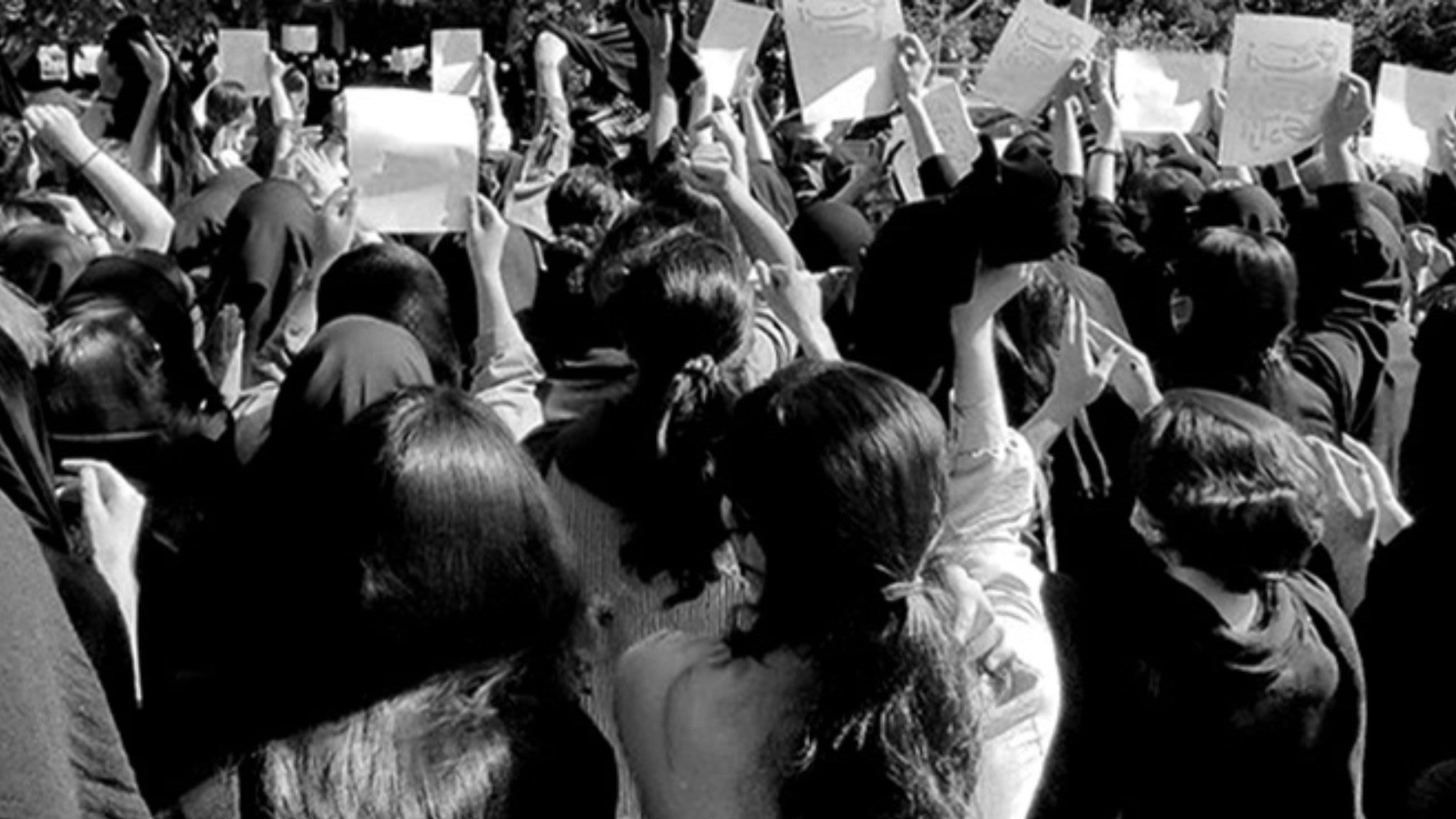
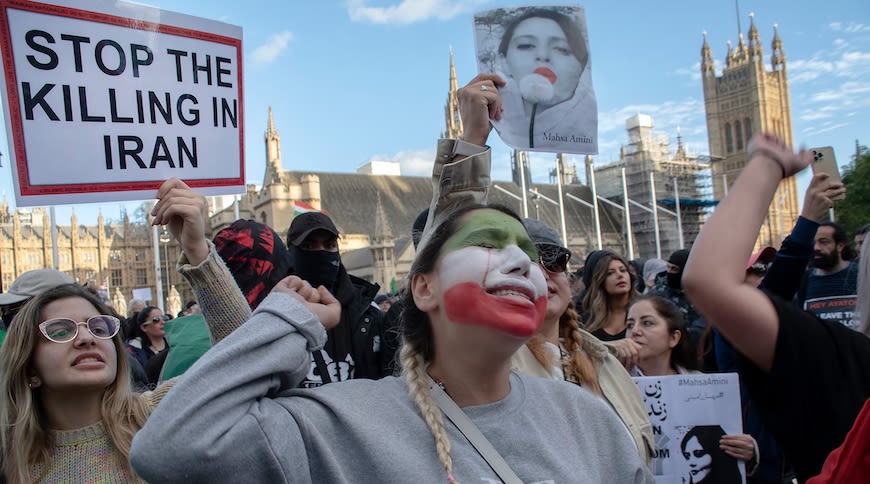
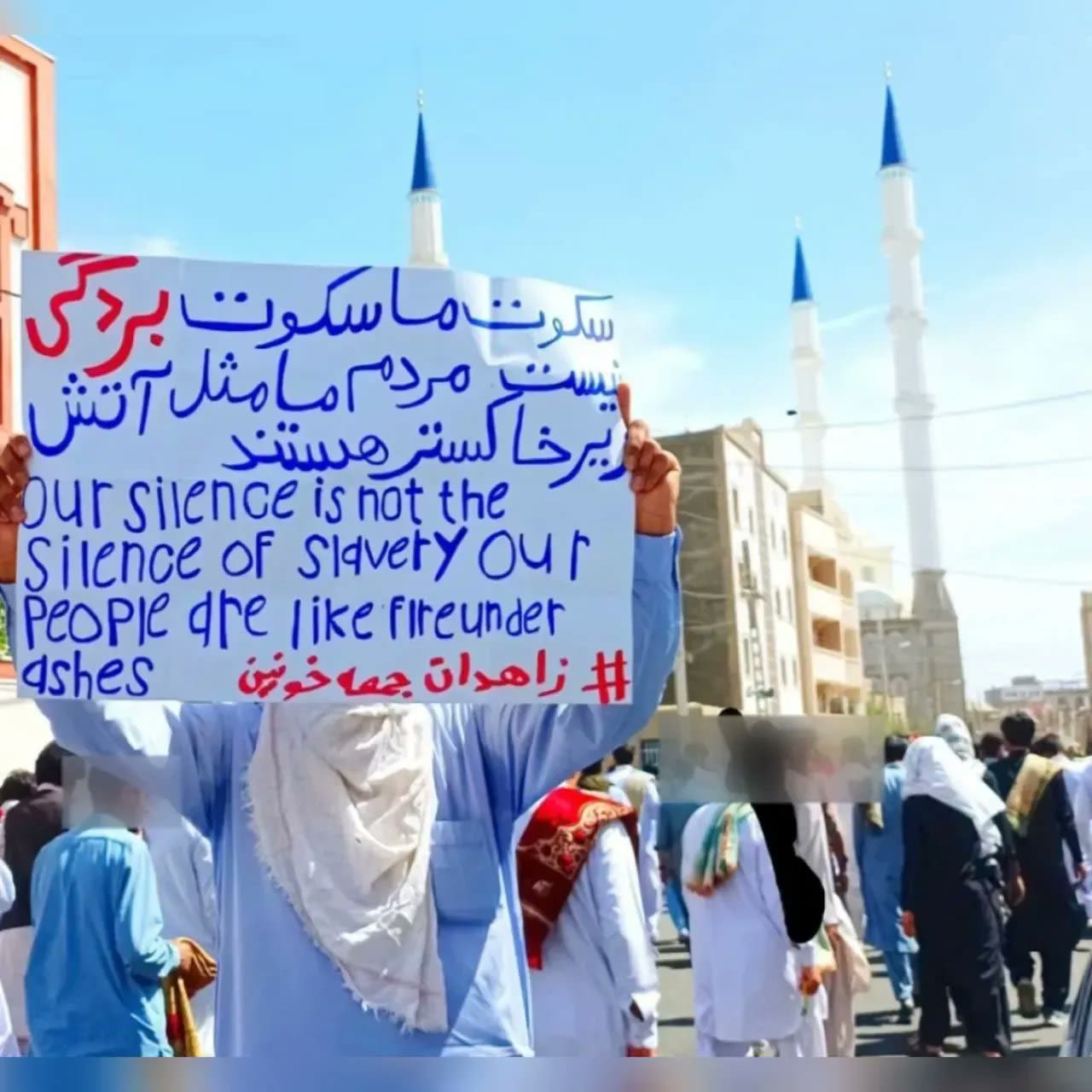
September 2024 marked 2 years since the death of Mahsa Jhina Amini at the hands of Iran’s ‘morality police’ – and the birth of the Woman, Life, Freedom movement.
The Islamic Republic responded with brutal repression, online and offline: its signature move following any expression of dissent. In 2024, the regime executed at least 975 people: a 17% increase on the previous year.
Iran’s race towards digital dystopia also accelerated in 2024.
As well as imposing internet shutdowns that affected over 73 million people, the regime weaponised drones, facial-recognition technology, and peer-reporting apps to enforce its draconian hijab rules.
As usual, women, minorities, and anyone who dared to dissent were first in the line of fire: from the social media activist killed by armed assailants, to the sisters sentenced to decades behind bars for posting videos of women dancing, to the writer handed a 15-year prison term for tweeting a single dot.


Yet the people of Iran refused to be silenced.
Tech-savvy Iranians found ways to circumvent the regime’s digital cage. Instagram, Telegram, and WhatsApp remained the country’s most popular platforms in 2024 – despite being censored.
PhD student Ahoo Daryaei showed eye-watering courage when she stripped to her underwear in a Tehran street – a protest against campus security guards assaulting her for breaching the hijab law.
And despite being sentenced to 74 lashes for posting a photo of herself without a hijab on social media, Roya Heshmati remained defiant.
As the whip cracked down in a room she described as a ‘medieval torture chamber’, Roya chanted a Woman, Life, Freedom protest song:
‘In the name of woman,
in the name of life,
the clothes of slavery are torn,
our black night will dawn,
and all the whips will be axed.’
ARTICLE 19 is honoured to support the breathtaking bravery of the Iranian resistance.
Here’s how we helped to release the regime’s digital chokehold in 2024.
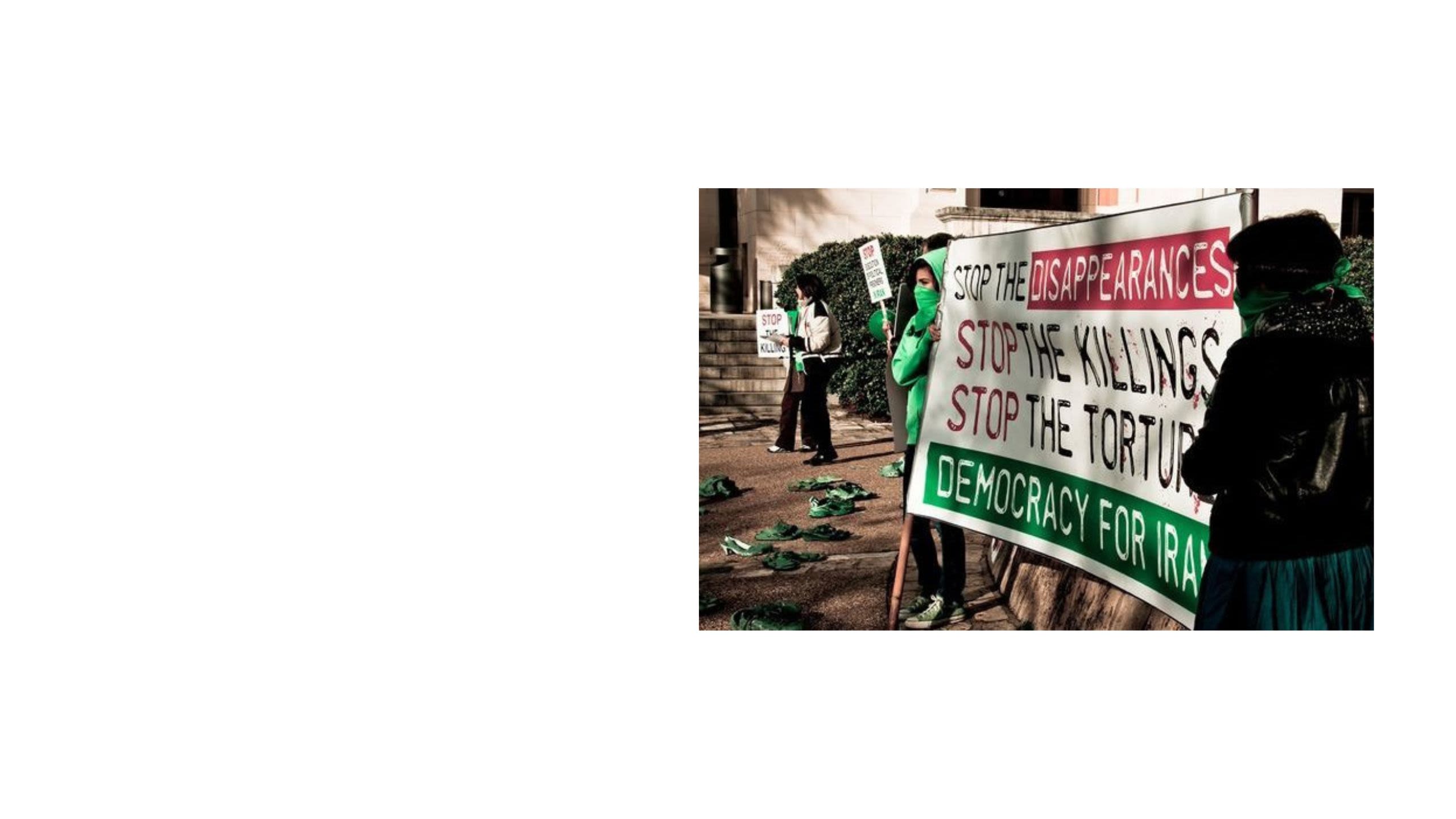
Emergency assistance for persecuted minorities
When people are arrested in Iran, the authorities often forcibly access their online accounts (including emails, social media, text messages, and dating apps) and rely on the ‘evidence’ they find there in sham trials – with punishments ranging from vicious to deadly.
Regional conflict led to heightened repression of Iran's ethnic religious minorities in 2024.
If the authorities accessed their private messages, some of which (understandably) included criticisms of the regime and plans for non-Islamic religious ceremonies – both banned in Iran – we knew there would be serious consequences.
When the arrests began, ARTICLE 19 sprang into action, securing people’s accounts in as little as 5 minutes.

Keeping high-risk communities safe online
In 2024, we saw a significant increase in phishing and social engineering attacks: sophisticated social media campaigns, organised by Iran’s cyber army, that exposed the identities of people who protested, rejected compulsory hijab, or criticised the regime.
To resist these attacks, ARTICLE 19 partnered with Yubico, an ethical Swedish tech company that manufactures the YubiKey, a USB device akin to a house key for your online accounts – if you don’t have one, you can’t get in. By replacing passwords with a physical key, it offers best-in-show protection against phishing.
We distributed over 600 YubiKeys to high-risk individuals throughout 2024, enabling them to stay safe when speaking out online.
‘Yubico is honored to partner with ARTICLE 19 to advance digital security and protect freedom of expression. Collaborating through Yubico's Secure it Forward philanthropic program allows us to empower human rights defenders and journalists with strong, reliable digital security – so they can continue their vital work with confidence and safety.’
– Yubico
We also developed and delivered new training programmes to reflect developing trends and threats, and how to overcome them, for organisations working in or on Iran – including major international NGOs.
They told us that our training made their staff safer and their projects more sustainable.
And when the UN appointed a new Special Rapporteur on Human Rights in Iran, we equipped her with the digital tools she needed to begin her mandate securely.
‘Mo [Hoseini, Senior Security and Resilience Officer, ARTICLE 19]'s security briefing proved invaluable. It equipped me with essential digital protection skills—not just for my own security, but crucially for safeguarding the NGOs, victims and their families who entrust me with their communication.’
– Mai Sato (UN Special Rapporteur)




Refining our digital ecosystem
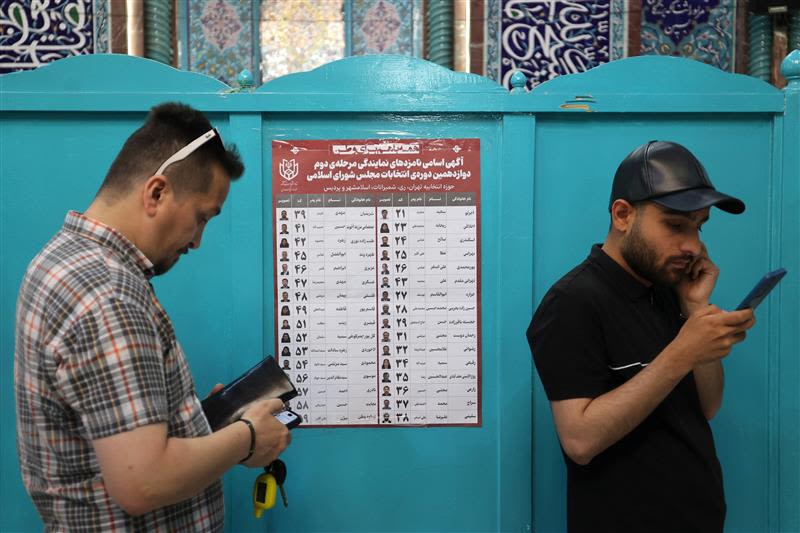
Over 80% of Iranian internet users relied on VPNs to get online in 2024 – and around 1 in 3 had to pay for the privilege, creating a digital divide between rich and poor.
We develop and distribute thousands of free VPNs to help all people in Iran evade the censors and get online.
If a VPN stops working, our network feeds that information back to us, we fix it, and we redistribute it to the community: a sustainable ecosystem that we created when the Woman, Life, Freedom protests first erupted.
We continued to refine our digital ecosystem throughout 2024. And we did it in the face of significant hurdles – not least the Supreme Council for Cyberspace banning non-government-approved VPNs.
How we do it
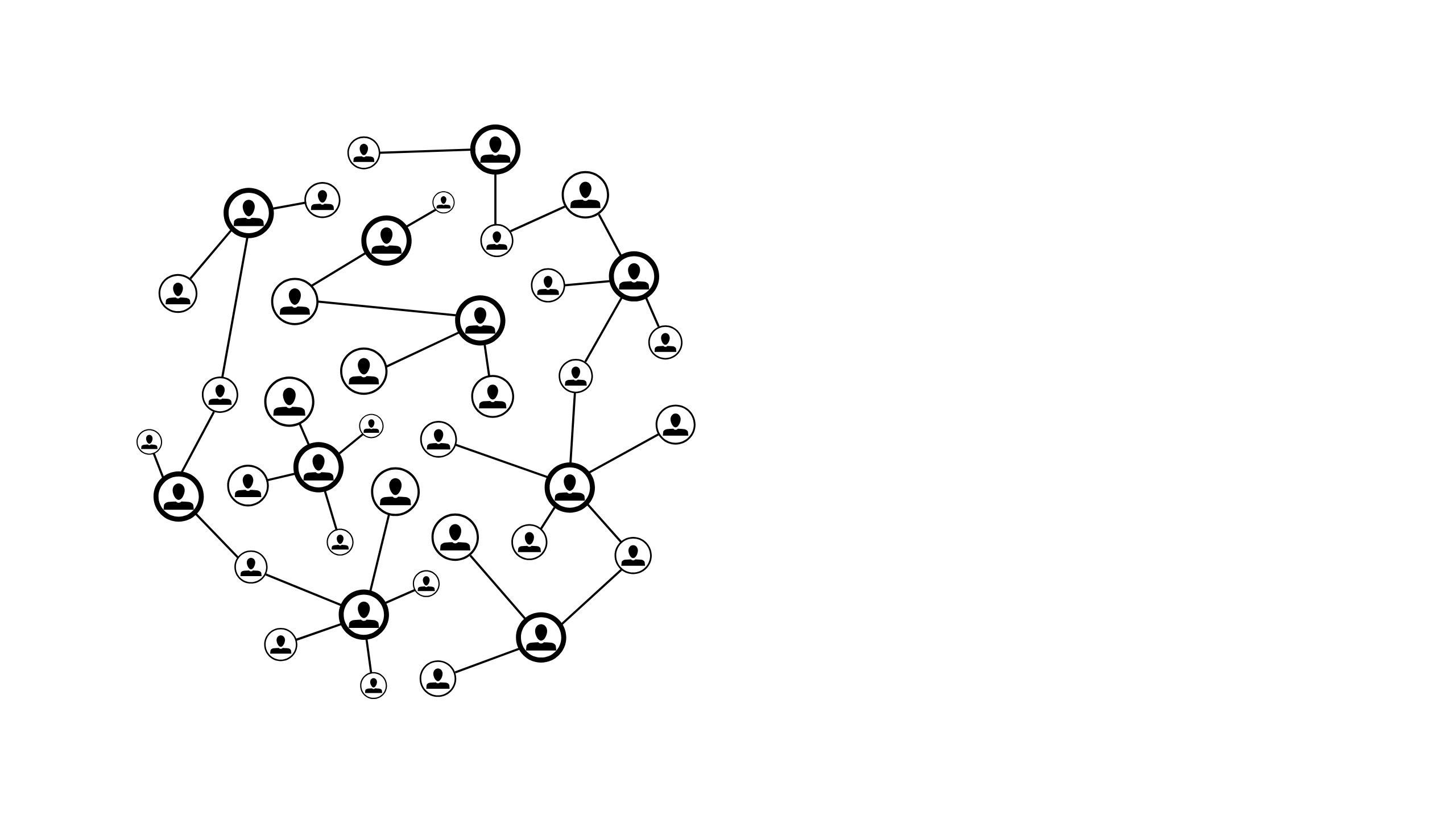
Over the last 3 years, our method has enabled us to reach over 3,000 high-risk people in Iran: far more than we could reach alone.
Here’s how we scale our impact.
Training the trainers
- We train a small group of trusted people. Many of these are Iranians who have fled the regime and live abroad. By teaching them new digital skills, we are helping them to help others back home, strengthening their asylum claims, and supporting them to gain well-paid employment.
- They train many other people. These individuals are drawn from their existing networks – and ours: by being a trusted partner in a dangerous context, ARTICLE 19 has painstakingly built a huge network over many years.
- They support the Iranians who most need it, when they most need it.
In 2024…
We trained 25 trainers...
who trained 1,760 more...
who supported 1,487 people.
Helping the helpers
Helping people escape life-or-death situations while listening to their traumatic stories would take a toll on even the most seasoned activists.
But our trainers aren’t professional human rights defenders or therapists; they are ordinary Iranians committed to helping each other. This is one of the unique strengths of our network – yet it also brings unique challenges.
That’s why, in 2024, we launched new mental health support for our network.
Anyone struggling with the psychological toll of this vital work can now access support, whenever they need it, from a highly trained specialist with personal experience of what they’re going through.
US tech sanction exemptions become federal regulation
When protests erupted in September 2022, the US Treasury issued a licence allowing key internet services to be exported to Iran, exempting them from US sanctions.
For years, ARTICLE 19 advocated for such a move to ensure sanctions don’t hinder access to tech that Iranian people desperately need.
In 2024, these exemptions became US federal regulation, strengthening protections for people in Iran.
Resisting gender apartheid
In March, the Meta Oversight Board overturned the company’s decision to remove a video from Instagram that showed a man confronting a woman for not wearing the hijab.
ARTICLE 19 contributed to this ruling, breaking the silence on Iran's gender apartheid.
‘As Instagram is one of the few remaining platforms not to be banned in the country, its role in the anti-regime “Woman, Life, Freedom” movement has been immeasurable, despite the regime’s efforts to instill fear and silence women.’
– Meta Oversight Board
Amplifying Iranians’ voices on the global stage
We amplified the stories of the Iranians we helped to the UN in 2024 – from sharing their testimonies with the Special Rapporteur to contributing to the Fact-Finding Mission, which published its report in March 2024.
The report of the UN Fact-Finding Mission included significant contributions from ARTICLE 19.
The mission found that many of the regime’s violations amount to crimes against humanity, and its recommendations echoed our calls for tech companies to step up to defend human rights.
We also accepted an invitation to present our work on Iran at the Nobel Peace Centre in Oslo, Norway.
ARTICLE 19's Nobel Peace Talk on 17 April 2024 (with Amnesty Norway and Social Sustainability & Tech).
Our Nobel Peace Talk was shared by Nobel Peace Prize winner, Narges Mohammadi.

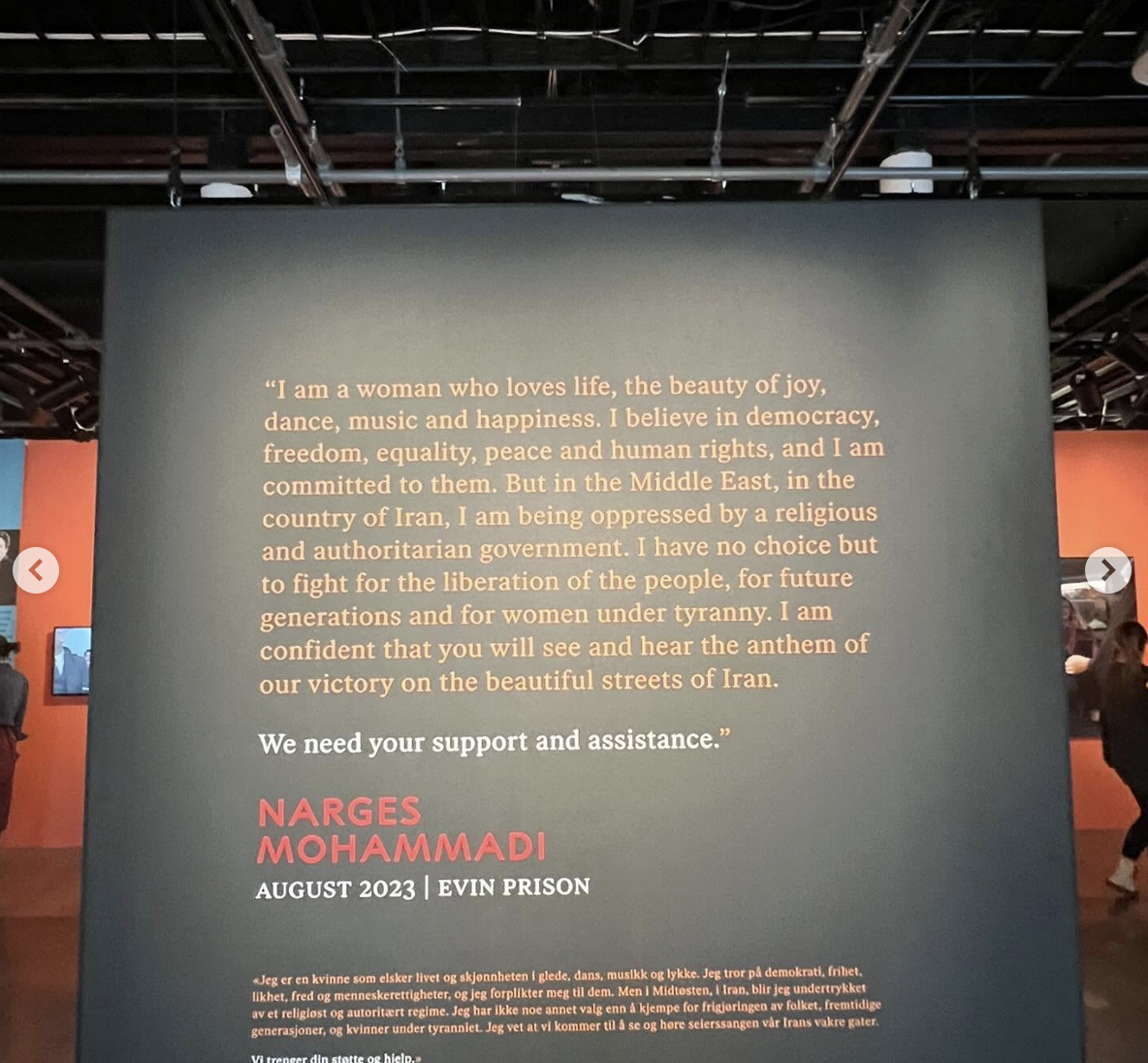
Exhibition at the Nobel Peace Centre celebrating Iranian human rights defender Narges Mohammadi. Oslo, Norway, 17 April 2024. (Mahsa Alimardani)
Exhibition at the Nobel Peace Centre celebrating Iranian human rights defender Narges Mohammadi. Oslo, Norway, 17 April 2024. (Mahsa Alimardani)
ARTICLE 19 extends our heartfelt thanks to all the anonymous individuals, in Iran and the diaspora, who risk their lives to help us support vulnerable people on the ground.
Your bravery, generosity, and determination inspire us every day.




From margins to mainstream
Shaping the global AI agenda
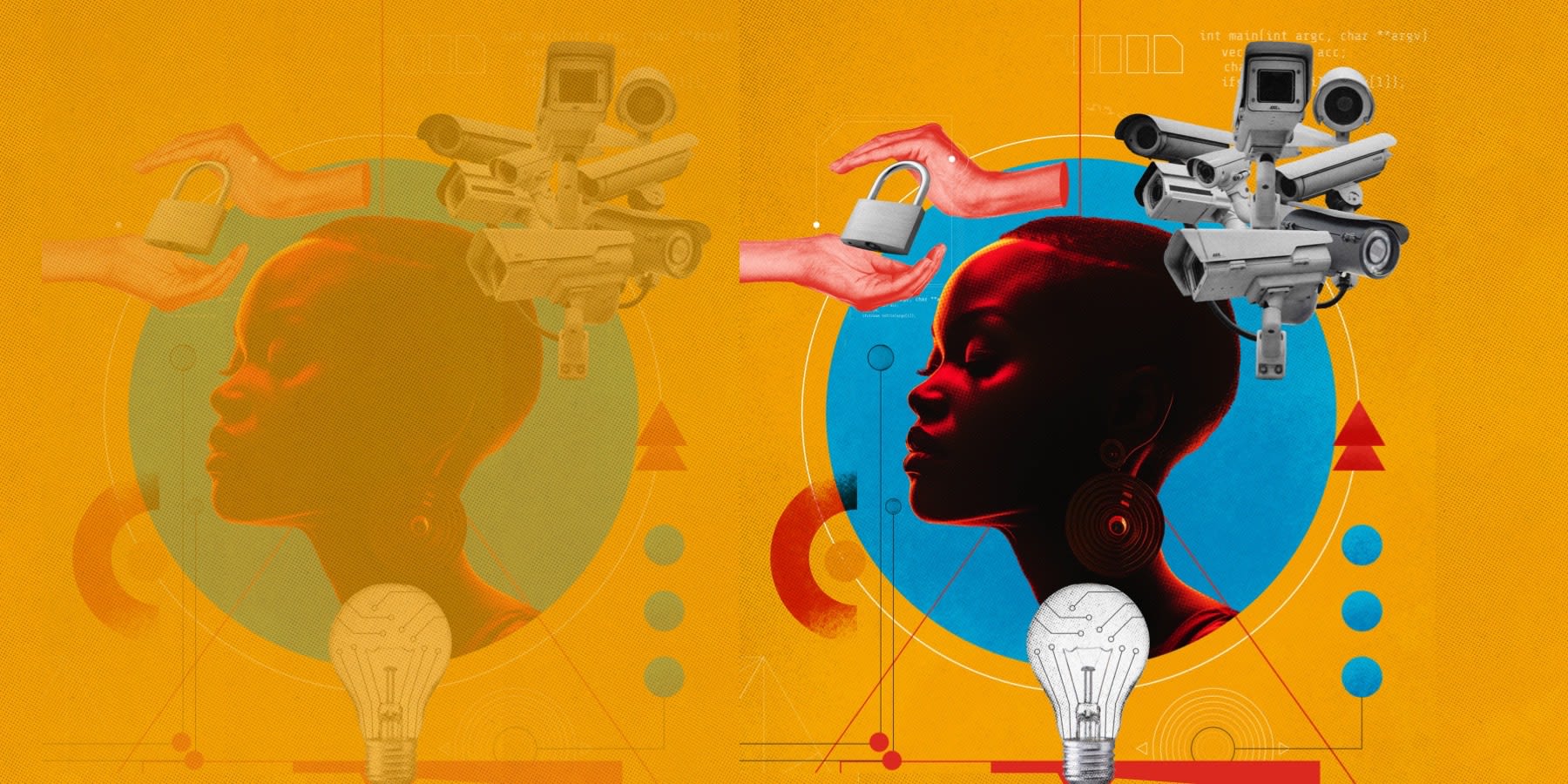
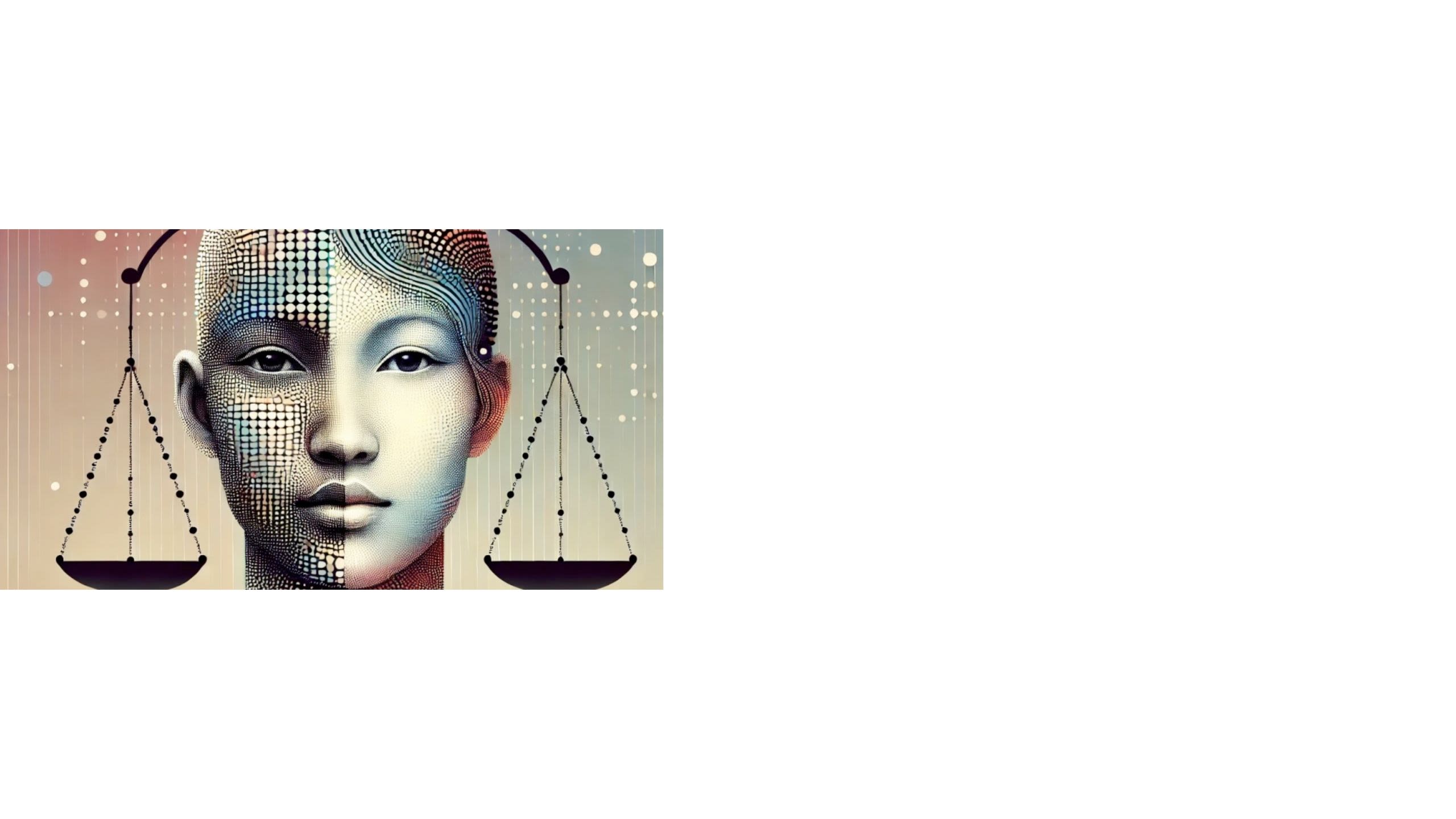
Throughout 2024, AI was promoted as the ‘smart’ solution to almost everything, encouraging uncritical demand and widespread adoption – including by authoritarian governments and profit-hungry companies.
Many of these technologies pose a grave threat to our ability to protest, investigate, and move through the world without being spied on. Yet lawmakers failed to keep up and tech companies resisted accountability, leaving people unsafe and exposed.
ARTICLE 19 believes human rights must be considered in the design, development, and deployment of AI.
What’s more, certain uses of AI, such as biometric mass surveillance and emotion recognition, should be banned because they are inherently incompatible with human rights.
Throughout 2024, we worked tirelessly for technology that serves people – not the other way around.
UN adopts our position on AI
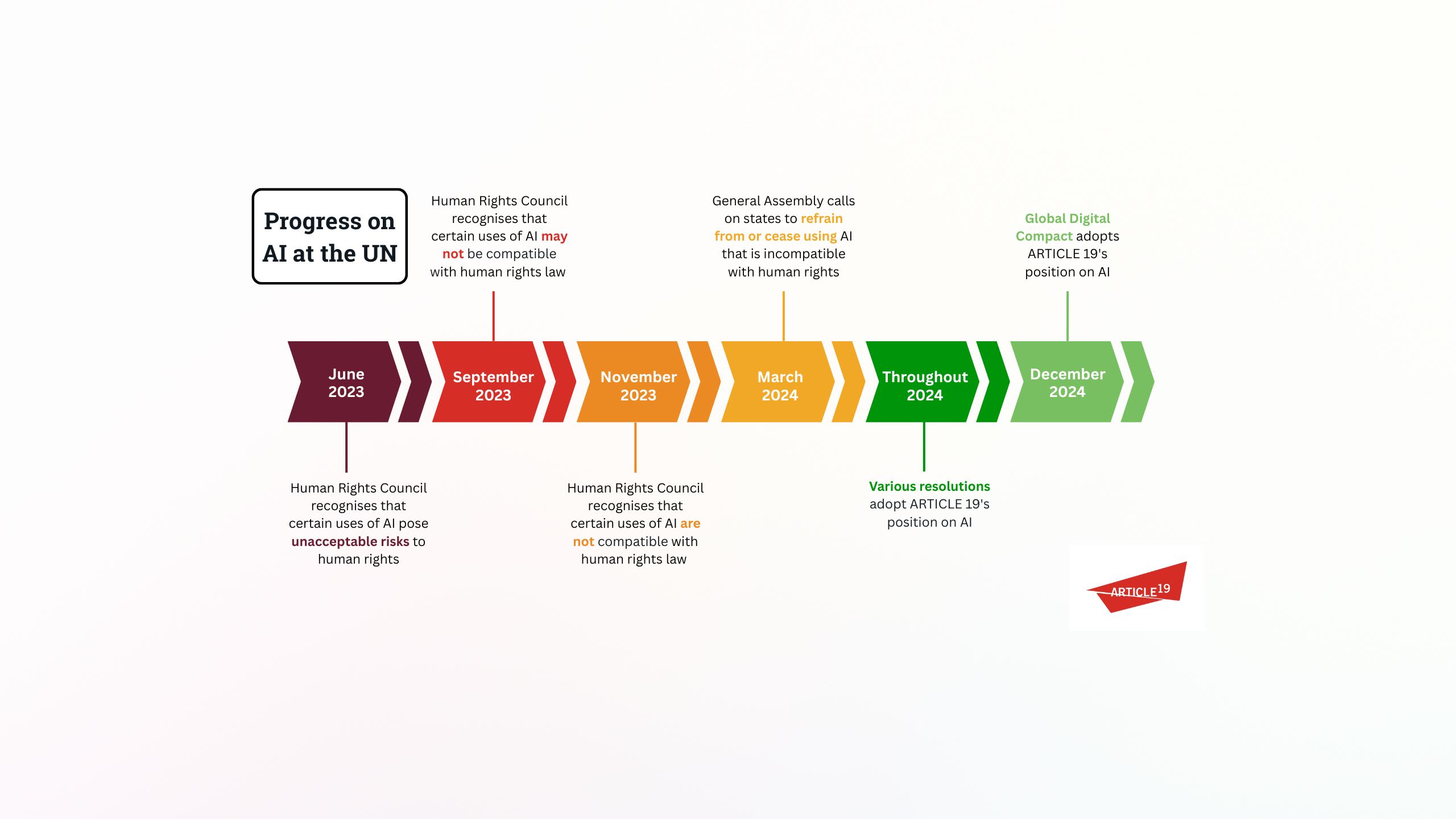
Following several years of advocacy, ARTICLE 19’s position on AI became dominant across the UN in 2024, including...
... at the General Assembly
In March, the UN General Assembly unanimously adopted a new resolution that called on states – and, crucially, other stakeholders – to:
‘refrain from or cease the use of artificial intelligence systems that are impossible to operate in compliance with international human rights law or that pose undue risks to the enjoyment of human rights’.
… in the Global Digital Compact
In September 2024, all UN Member States adopted the Global Digital Compact by consensus.
The Compact commits to a human rights-based approach to AI governance and outlines shared principles for an open, free, and secure digital future for all.
These principles will steer the UN’s approach to digital rights for years to come.
Thanks to our advocacy, the Compact:
- Establishes an overarching objective of protecting human rights
- Calls on the private sector to apply human rights due diligence and impact assessments, for all digital technologies, throughout the technology life cycle
Find out more about our advocacy throughout 2024:
Mexico: A seat at the table
In Mexico, our expertise on the intersection of AI and human rights was increasingly sought out in 2024 – including in the highest echelons of power:
- We introduced a human rights perspective to national debates around forthcoming AI legislation
- We were granted a permanent seat on the Senate working group on AI
- We collaborated with the administration of justice apparatus in Nayarit on recommendations to strengthen the criminal justice system's use of AI tools – from a human rights perspective
Connecting people


Internet access is a freedom of expression issue.
Without it, we can’t fully participate in our societies or obtain the information we need about everyday essentials, like healthcare and education.
And when the worst happens – from war breaking out to wildfires closing in – reliable internet can mean the difference between life and death.
Yet in 2024, nearly 1 in 3 people, the vast majority in the Global South, lacked internet access.
The major internet providers refuse to invest in connecting rural and remote communities because it’s not profitable. Small, non-profit, local providers are doing their best to plug the gaps; but the big companies control access to technology like spectrum (which powers WiFi), and sharing would mean putting people before profit.
Unequal internet access means unequal rights.
That’s why, throughout 2024, ARTICLE 19 worked to bridge the digital divide.
Bridging the gap to equal internet access
In October, we welcomed a new UN resolution that, as a result of our advocacy, called on governments to enable small internet providers to connect underserved communities.
ARTICLE 19 pushed for this solution for several years – even when we were the only organisation raising our voice.
What’s more, our position that connectivity is essential to human rights is being adopted across the UN, bridging the gap towards equal internet access for all.
Supporting a diverse digital ecosystem
Debates around spectrum access are complex, technical, and jargon-laden, locking people out from advocating for their rights.
Throughout 2024, ARTICLE 19 used our digital expertise to translate these debates into accessible insights for civil society.
In September, we partnered with the Dynamic Spectrum Alliance for their Global Summit in Geneva, where we advocated for equitable access to spectrum (which powers WiFi).
‘I’ve seen first-hand how effective spectrum management can transform lives by enabling people to connect, communicate, and fully participate in the digital world.’
– Martha Suarez (Dynamic Spectrum Alliance)
And in October, following a decade of advocacy, we represented civil society on a panel at the World Telecoms Standards Assembly: the largest standards-setting event of the International Telecommunication Union, which is responsible for internet infrastructure and technology.
By making these discussions accessible, we ensured civil society could advocate for a diverse internet – one in which everyone has a voice.
Embedding human rights into internet infrastructure
Thanks to 6 years of ARTICLE 19 advocacy, the Internet Engineering Task Force (IETF), which shapes how the internet is designed and developed, published new tools to help developers protect privacy, resist censorship, and embed human rights into internet infrastructure.
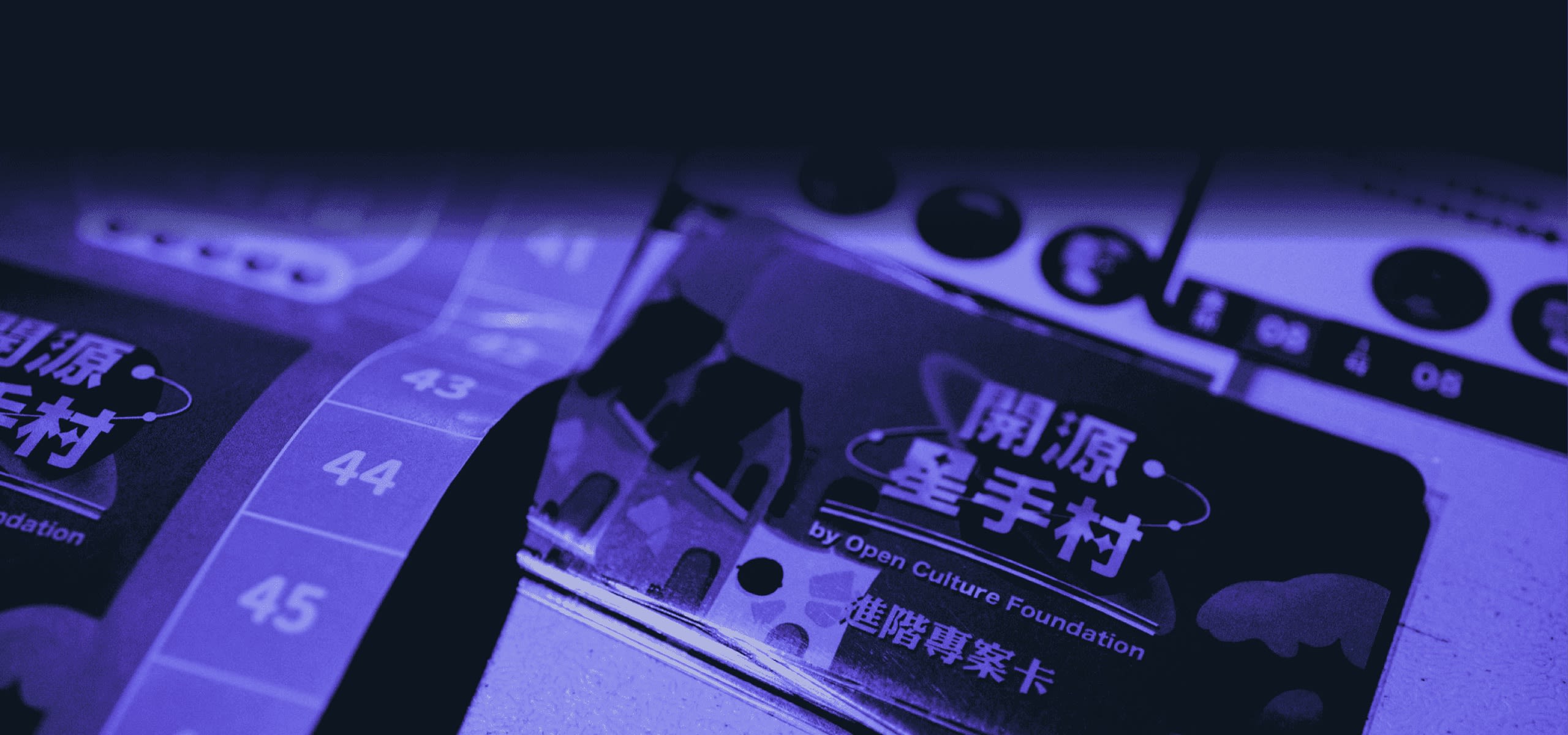
We also supported smaller organisations, like Taiwanese nonprofit Open Culture Foundation, to engage with the IETF and advocate for legal measures that address surveillance, takedown requests, and censorship. As a result, Taiwan lawmakers are now more aware of the pressing need to build a resilient digital ecosystem.

© Open Culture Foundation
© Open Culture Foundation


Taming Big Tech in Brazil
No single entity – private or public – should control the flow of information in society.
Yet the excessive market power of Big Tech companies, coupled with their popularity as a source of information and their power over what we see, means they can do just that.
To fix these challenges, we must dilute this power and keep it in check.
In Brazil, we made headway towards taming Big Tech in 2024.
- The final declaration of the G20 Summit, which took place in Rio de Janeiro in November, highlighted the need to regulate social media – one of ARTICLE 19’s advocacy demands.
- We successfully influenced policymakers, including the Ministry of Finance and the Brazilian Internet Steering Committee, to adopt our positions on platform regulation.
- Thanks to our advocacy, the Administrative Council for Economic Defence launched a public consultation on competition in digital markets.
We are now awaiting a bill on economic platform regulation to reach Congress, where we will further press policymakers to tame Big Tech’s excessive power.

Landmark legal wins in US and Europe
Poland: Historic win against mass surveillance
In May, we celebrated a historic win against surveillance in Poland.
The European Court of Human Rights ruled that the Anti-Terrorism Act, which allows Polish police and intelligence agencies to conduct secret mass surveillance, violates people’s right to private and family life.
Back in 2020, ARTICLE 19 and partners intervened in support of 5 applicants who brought the case.
‘Measures like these have a chilling effect on the freedom of expression of journalists, NGOs, activists and lawyers, among others. Today’s decision of the European Court solidifies protection against such intrusion.’
– Barbora Bukovská (Senior Director for Law and Policy)
US: Setting the standard for online speech
And in the US, we played a pivotal role in 2 landmark US Supreme Court cases, which challenged state laws in Florida and Texas that sought to limit social media platforms’ ability to moderate content.
With our partners, ARTICLE 19 submitted a crucial amicus brief arguing that these laws violated the First Amendment and international free speech standards.
In line with our advocacy, the Supreme Court safeguarded digital rights and set global standards for free speech online.
The Court’s decision also highlighted the importance of protecting diverse online platforms, ensuring regulations are narrowly tailored, and recognising that other laws (like competition rules) can address platform power without restricting free expression.
 Built with Shorthand