
Goal 3
Information is power
Accurate and reliable data and information are publicly accessible and empower individuals to seize their rights

SPOTLIGHT ON...
Mexico






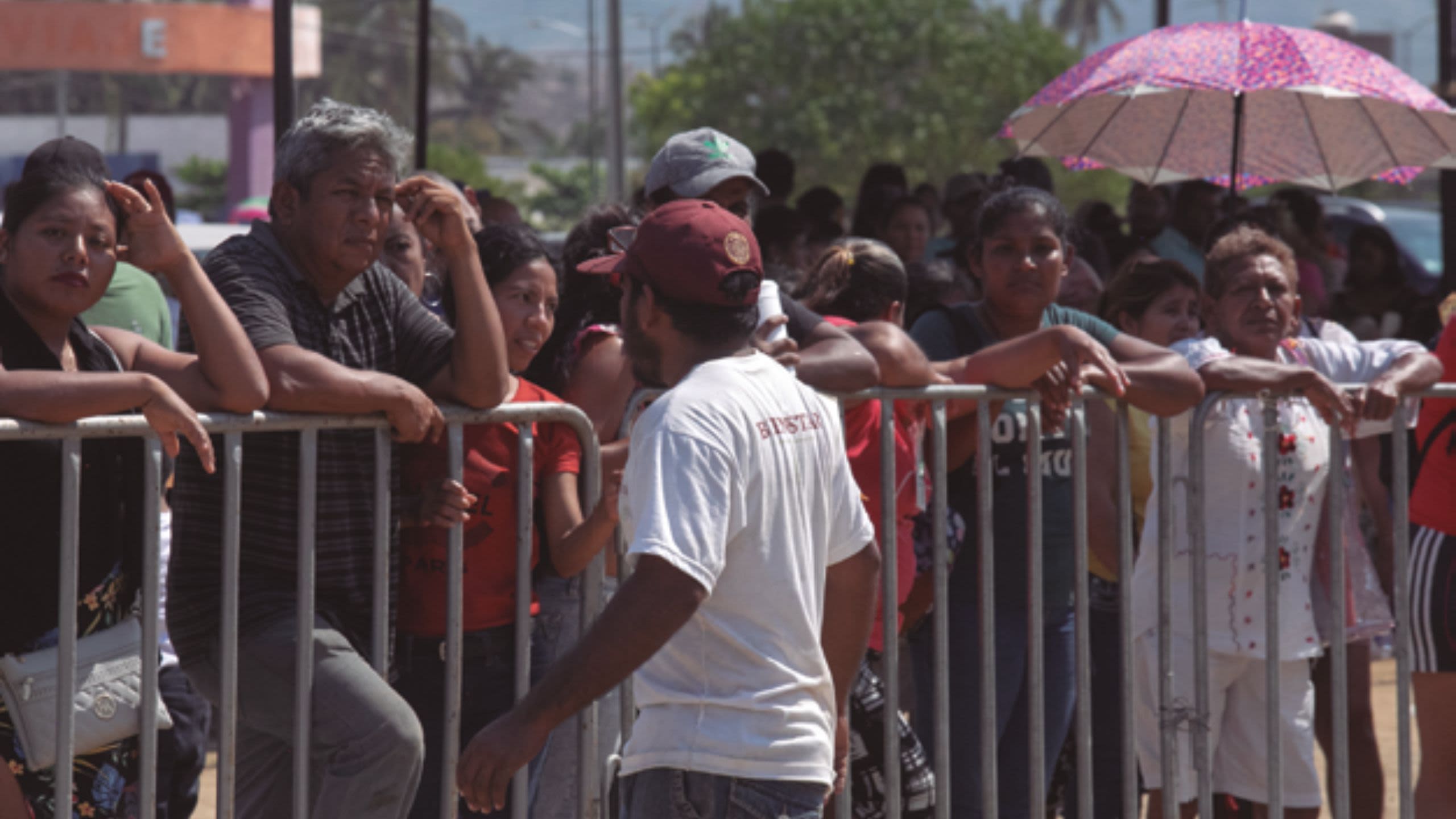

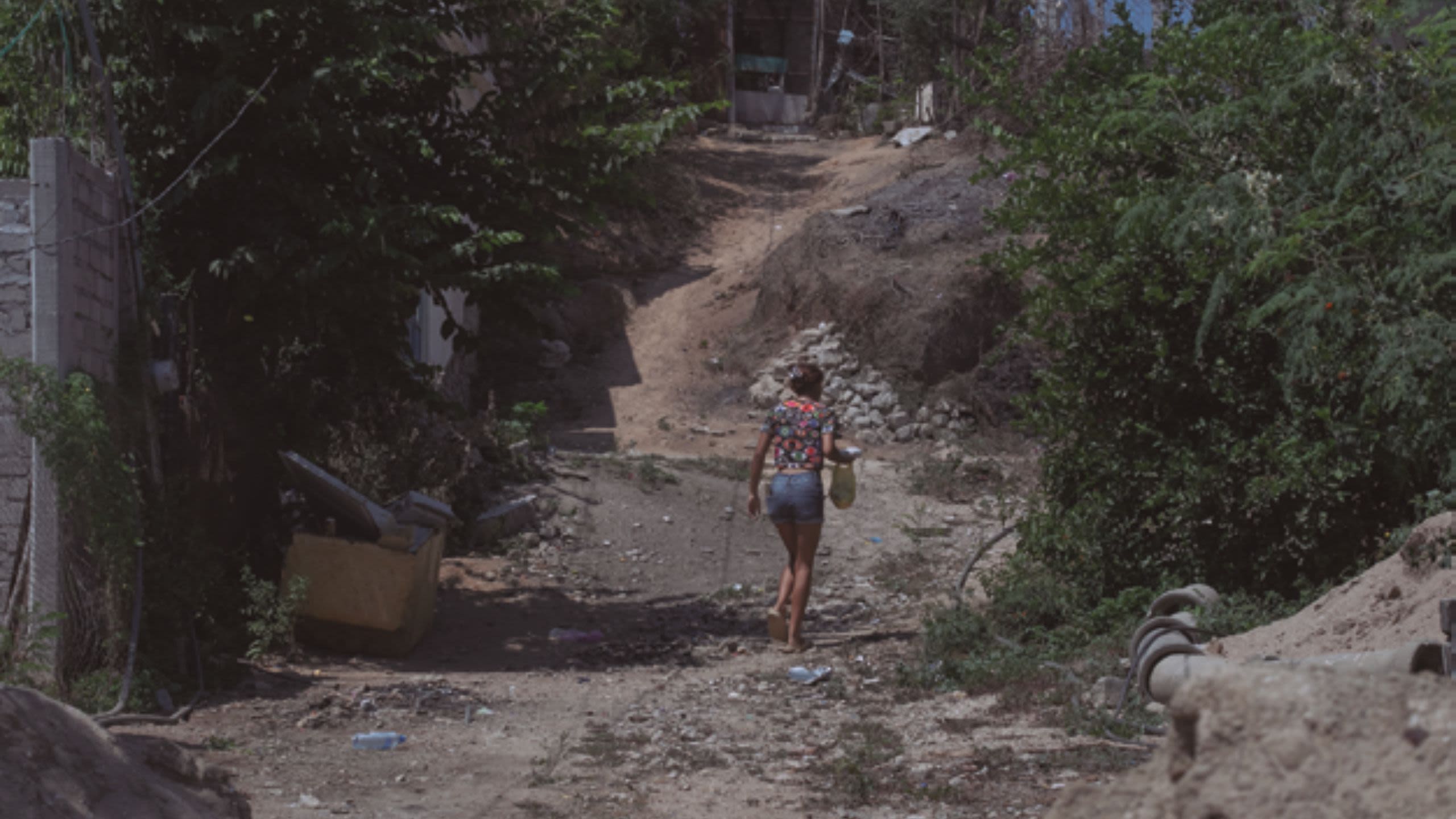

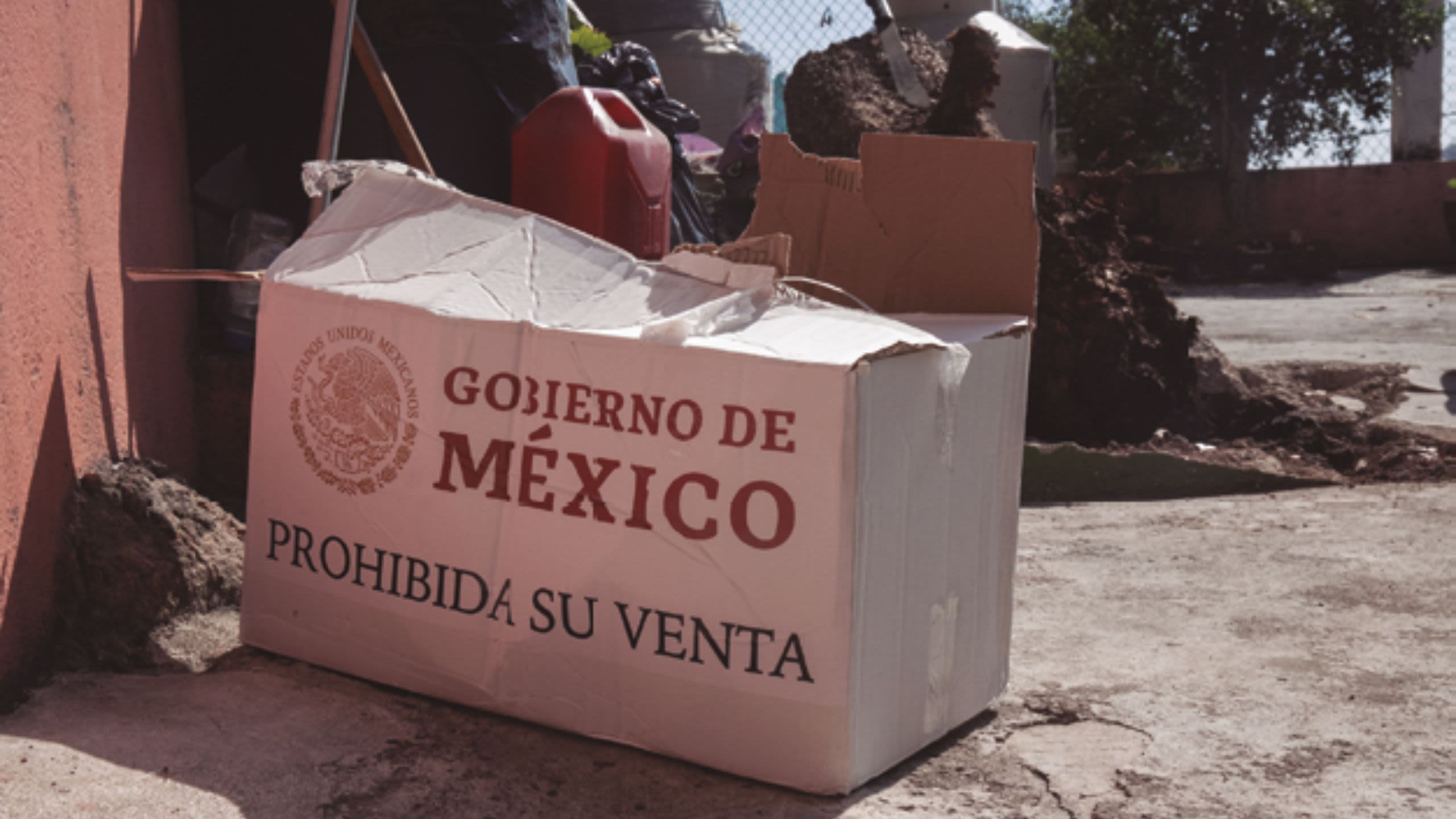

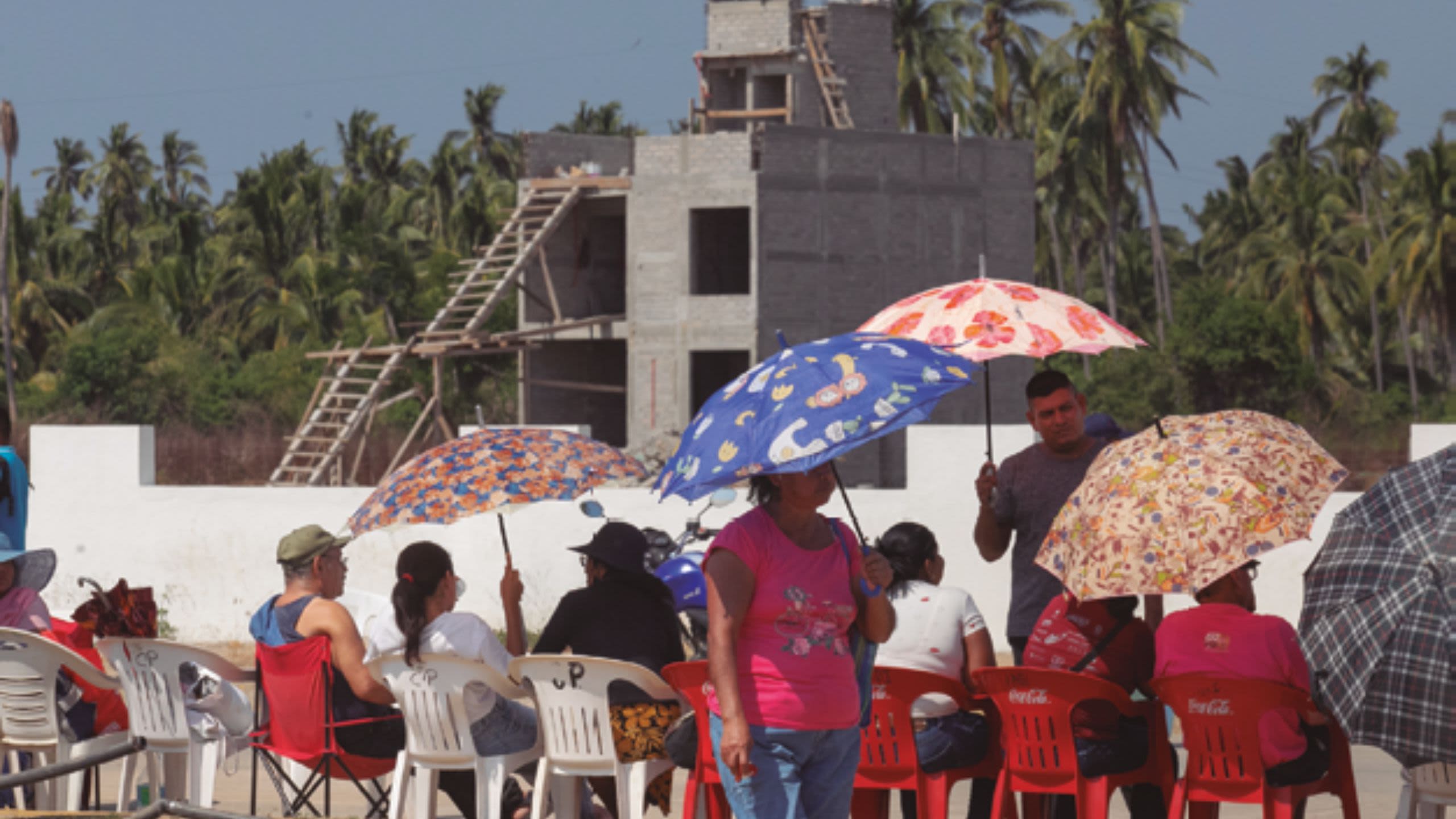

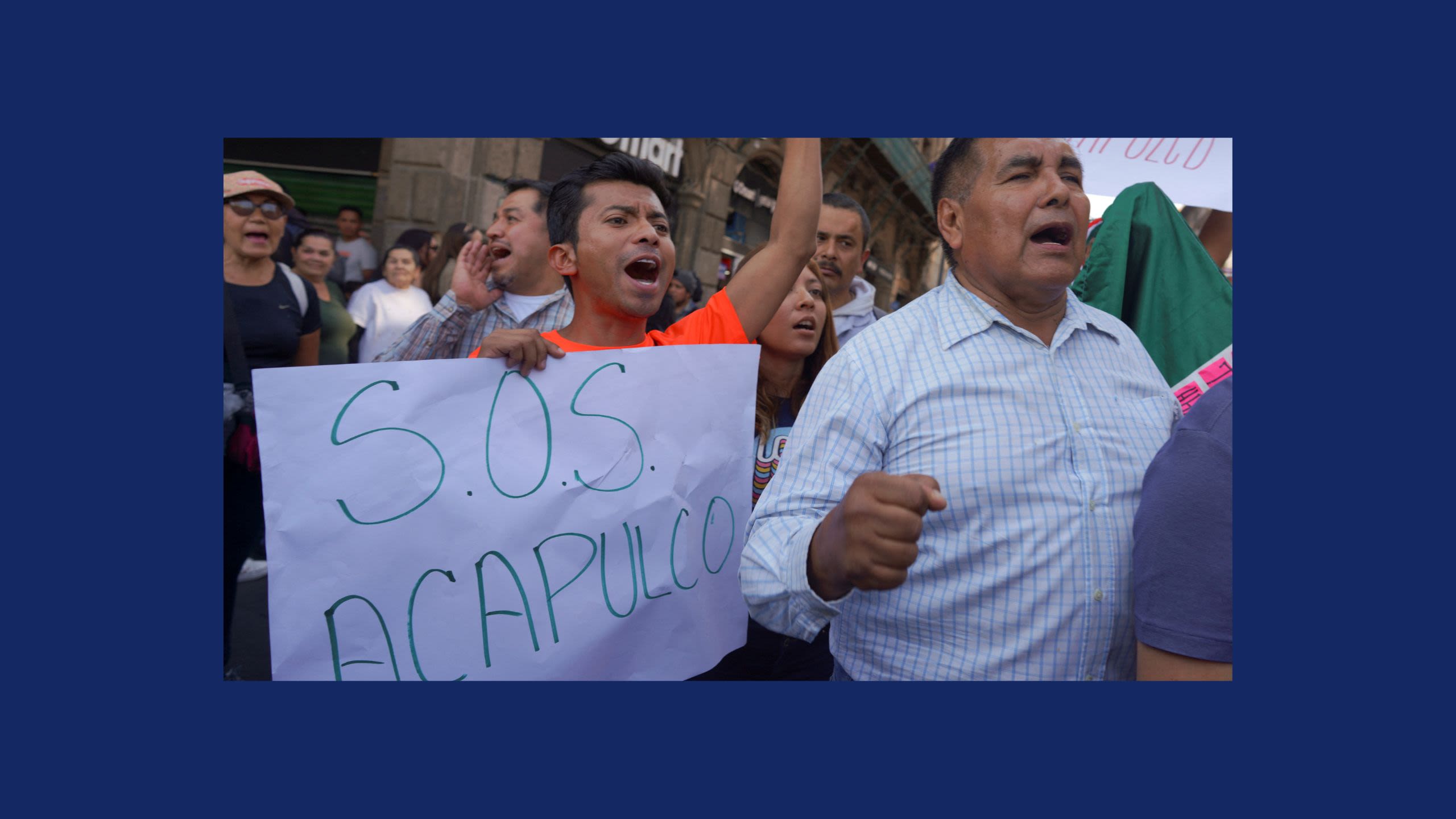

‘If we had known, we would have prepared’
The right to information in the wake of Hurricane Otis
Freedom of expression is not only the right to speak; it is also the right to know. These twin rights are essential for securing all our other rights.
Take our rights to water, housing, and healthcare. These are enshrined in international law and countless national laws – not to mention resolutions, constitutions, and declarations.
But if our water supply fails, our home is destroyed, or sickness strikes, none of these protections are worth the paper they’re written on unless we know how to access clean water, safe shelter, and life-saving medicine.
And if our governments fail to provide these vital resources, we can only speak out to demand better if we know how to hold them accountable.
Nowhere is this clearer than when disaster strikes – as the people of Mexico discovered when Hurricane Otis hit in October 2023.
From natural tragedy to manmade disaster
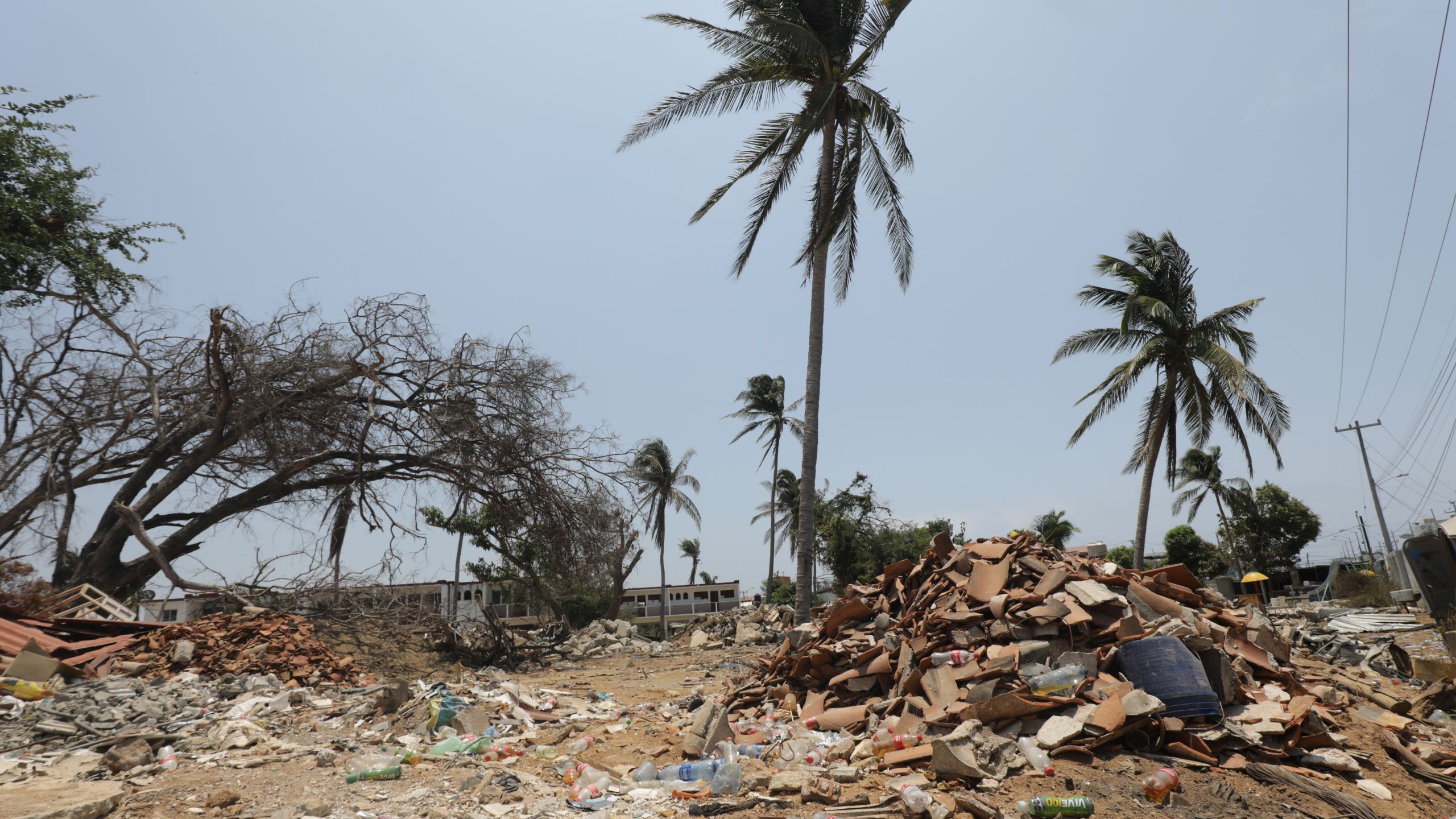
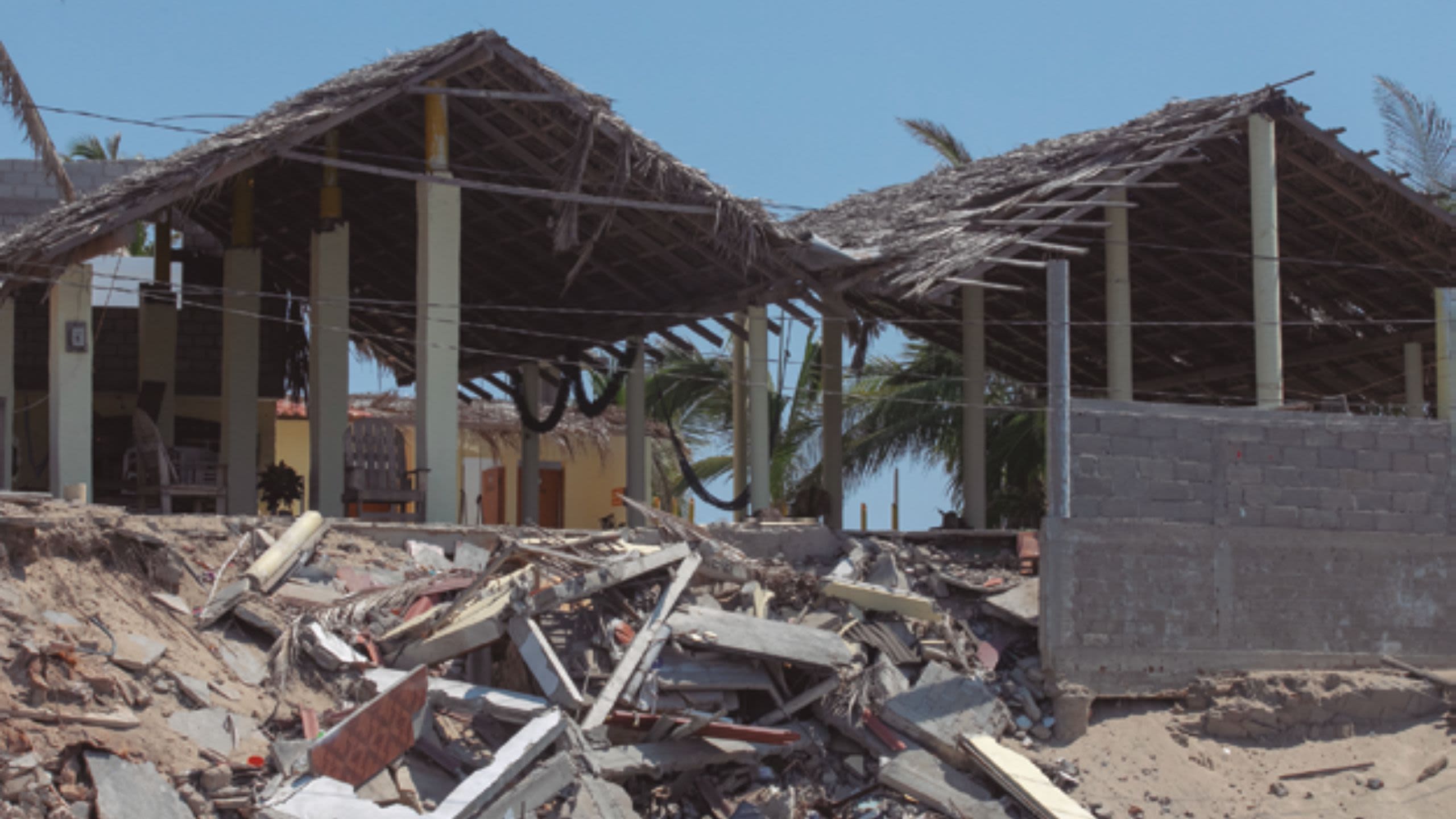
Otis was forecast to stay offshore and remain, at worst, a weak tropical storm. But in just 12 hours, it changed course, rapidly intensified, and hurtled into Acapulco as the strongest Pacific hurricane to ever hit land.
‘I was scared. I thought about my son; if he wanted to come see us, the wind would carry him away. My husband was lying down, maybe he fainted… it was a very strong, very traumatic experience.’
– Doña Anita (Acapulco resident)
The devastation was extensive: Otis hit a harbour home to around 1 million people, and remains Mexico’s most expensive weather disaster to date.
Accurate figures for casualties and missing persons are harder to come by.
Early on, official sources said 48 people had died; journalists put the death toll at 350.
In January 2024, the Vice Attorney General for Investigation claimed that 30 people were missing; a month later, the NGO Brigada Otis had logged over 2,000.
‘In the Alborada 19 neighborhood, there are still some missing people. There's the case of a family where only the husband remains. The brigades came for a while but left. We are concerned about how we are going to recover.’
– Guerrero resident
In Mexico, such government opacity is a feature – not a bug.
So is the authorities’ failure to provide accurate, reliably, and timely information before disaster strikes. Despite their obligations to prevent, mitigate, and manage risk, they instead respond reactively, after the event, when it is too late.
What are the state's obligations in natural disasters? (ARTICLE 19 Mexico and Central America)
Under Andrés Manuel López Obrador (AMLO), who was Mexico’s president when Otis hit, the government even abolished the National Disaster Fund (FONDEN) and diverted public funds for climate-change research into unrelated projects.
‘[Without FONDEN] we are attending to the victims better than ever.’
– AMLO (8 September 2021)
It was this catalogue of government failings that escalated Hurricane Otis from natural tragedy to manmade disaster.
In their own words
In this vacuum of government support and reliable information, ARTICLE 19 went directly to the communities affected.
Throughout 2024, we talked to the residents of Acapulco, amplified their voices, and empowered them to hold the authorities accountable.
Here’s what they told us.
Lack of adequate warning
The people we spoke to told us that official warnings about Otis were delayed, worded in inaccessible technical jargon, and failed to convey the hurricane’s magnitude. This left them unable to make informed decisions about how to prepare, whether to evacuate, and where to shelter.
‘If I had known what was coming, I would have gone to the village with my family. Maybe we could have set up a shelter in the village to protect ourselves… because here, there isn’t a house that is safe.
They told us to go to the shelters, but they were roofed with sheets of metal, schools that were refuges, and now everything is gone.
If we had known, we would have prepared.’
– Nadia Alvarado Salas (journalist, Guerrero)
Perhaps nothing could have been done about the hurricane’s rapid intensification (although mitigating climate change would make such escalations rarer).
But plenty could have been done to warn the people in its path.
Instead, they were left to face a Level 5 hurricane alone, unprepared, without the information they needed to keep their families safe.
‘I thought about writing it stronger, saying “it's coming hard”… something like that; but I said: “No, this is enough.”’
– Andrés Manuel López Obrador (AMLO) (then-President of Mexico)
Locals told us the government’s lack of urgency continued once Otis had passed, when communities desperately needed food, water, and other basic essentials. These shortages, coupled with the authorities’ failure to communicate, led to vandalism, looting, and unrest.
‘The neighborhoods of Acapulco are abandoned and destroyed, people don't have food or water... There's zero help from the government.’
– Acapulco resident
Exacerbating inequalities
Guerrero is a highly diverse state known for its stark inequalities – 2 in 3 people live in poverty – which natural disasters are known to exacerbate.
Yet when the government finally sent aid, they distributed it unequally and left many people unaware of how to access it. Nor did they communicate any measures to help the most vulnerable.
‘There were already problems with the distribution of drinking water, waste management, and drainage. There were also issues with insecurity, unemployment... All of this worsened after Otis.’
– Nadia Alvarado Salas
Left to fend for themselves
When it came to the clean-up, the authorities prioritised Acapulco’s tourist zone – and the waste from that operation ended up in working class, Afro-Mexican, and Indigenous neighbourhoods on the outskirts, resulting in a rise in dengue fever.
‘The situation in the communities on the outskirts of Acapulco, concentrated on the coast and in the working-class neighborhoods, is worse, as they have not received care nor have they received water.’
– Acapulco resident
Even today, the government is prioritising reconstructing the tourist area over helping peripheral and rural communities, leaving them to fend for themselves.
Supporting people's agency
Having listened to the people on the frontlines of Hurricane Otis, and respecting their lead, priorities, and needs, we accompanied their fight for their right to information and better protections.
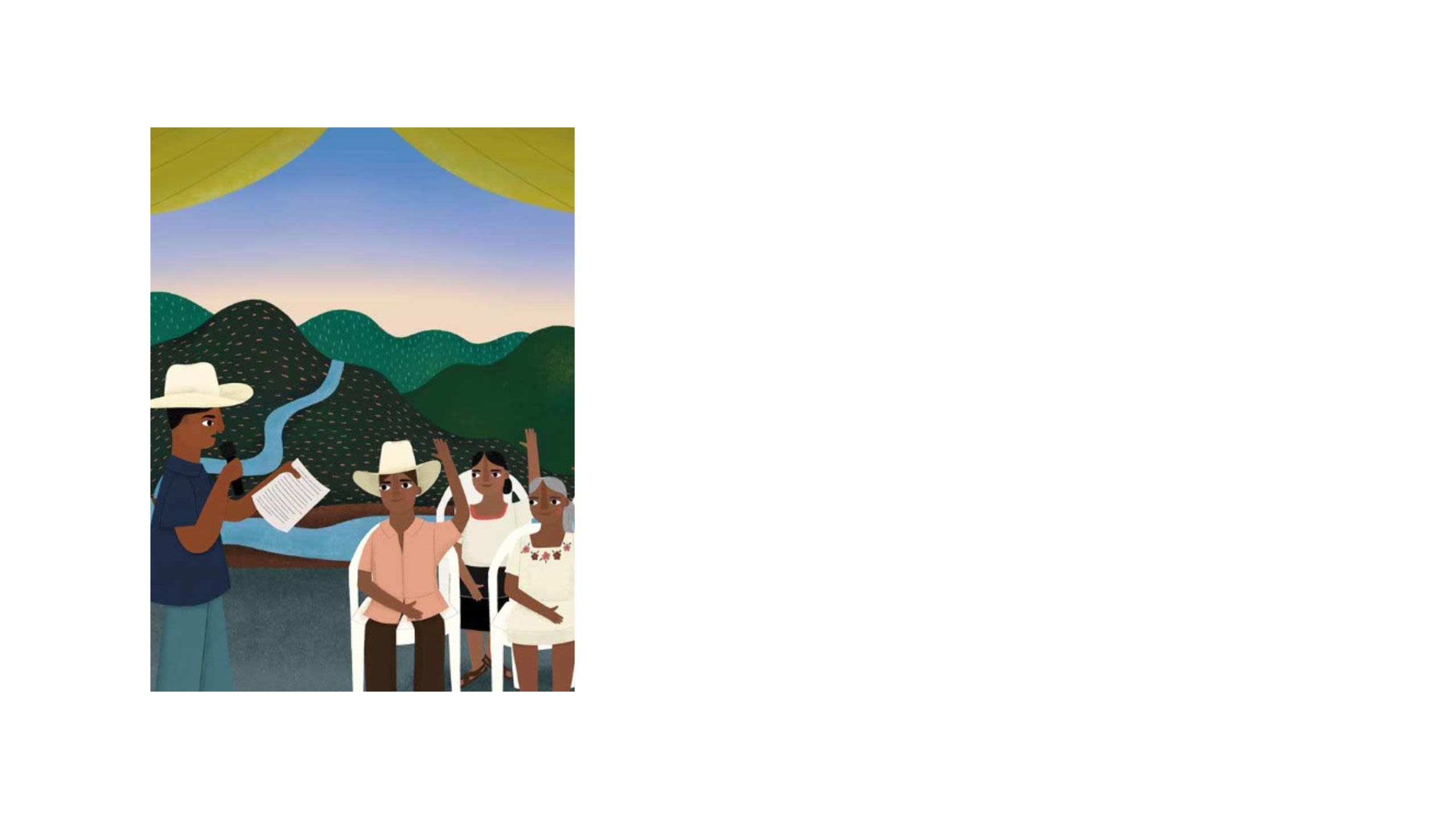
We supported affected communities to submit freedom of information (FOI) requests, including in their own Indigenous languages. And if an authority refused to release the information they asked for, we supported them to file appeals.
The people we worked with made 66 FOI requests in just 3 months.
They reported being better equipped to stay safe, make informed decisions, and use their right to know in future emergencies.
Amplifying the voices of Otis survivors
Having heard first-hand from frontline communities, we spent the rest of 2024 amplifying their voices and advocating for better responses to natural disasters.
In June, we published The Otis Disaster: The Right to Access Information After the Hurricane.

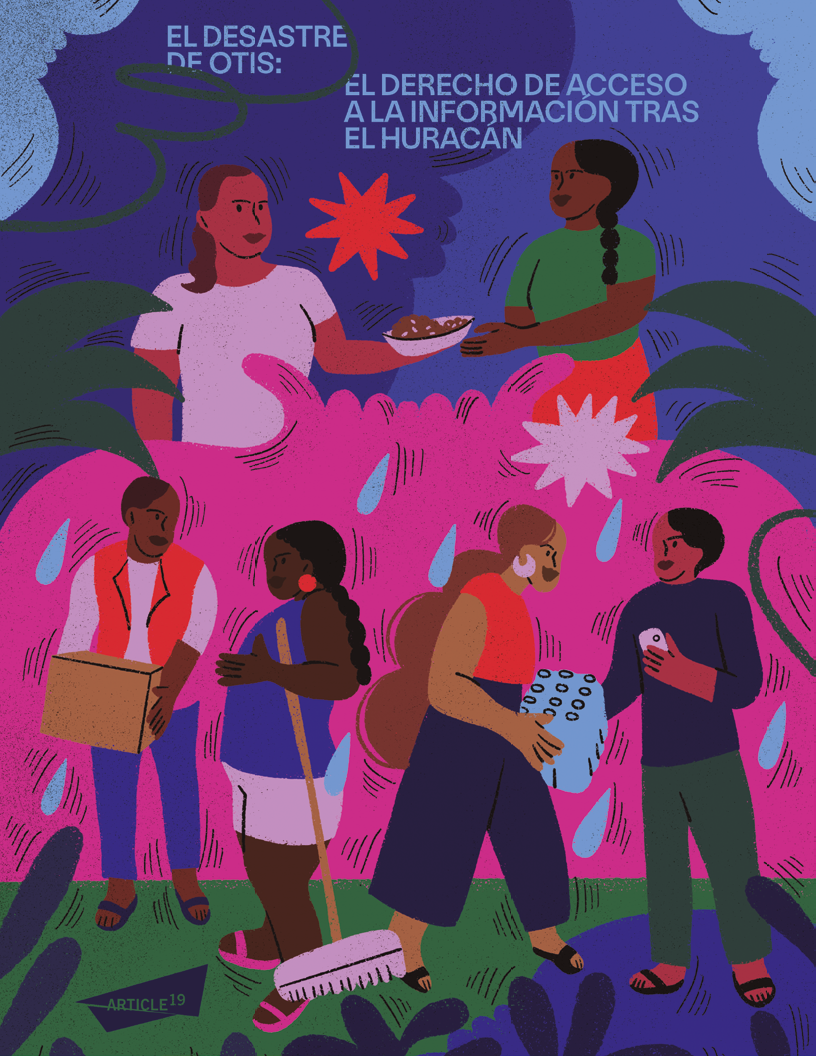
The report tells the stories of the survivors we worked with, shares the authorities’ responses to our FOI requests, and urges the state to guarantee people’s right to know when combating the effects of climate change.
Recording of the report launch
In July, we contributed to the UN Special Rapporteur on Climate Change’s report on access to information in the context of climate change. Our response shared the experiences of the communities we worked with in the wake of hurricanes Otis, Eta, and Agatha.
And in September, we published a policy brief on the importance of information during natural disasters, which shares best practice in risk management and advocates for proactive, transparent, timely information-sharing.

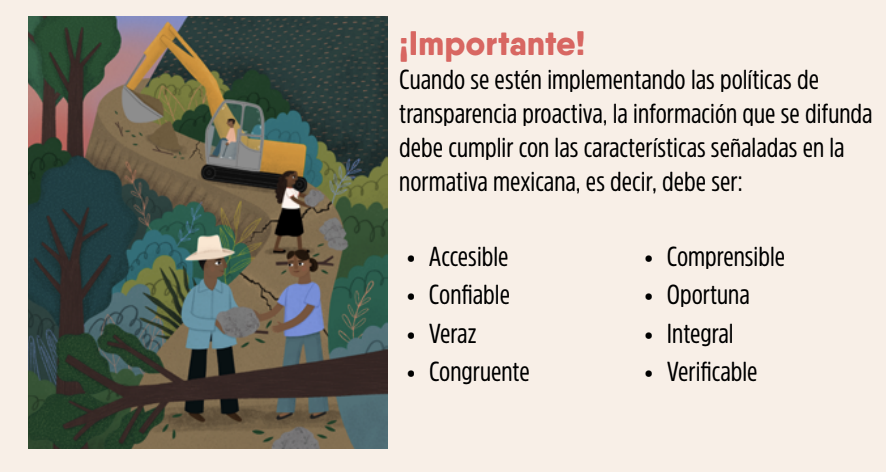
Excerpt from our policy brief
Excerpt from our policy brief
We continue to empower communities at the sharp end of climate change in Mexico with the information they need to demand a safer, freer, fairer future.



Defending the people who defend our environment
2024 was the first year in which average global temperatures rose more than 1.5°C above pre-industrial levels – and climate change makes the rapid intensification of hurricanes, as we saw in the case of Otis, more frequent.
But instead of tackling the crisis, our leaders are holding climate activists’ feet to the fire.
Over 2,000 environmental defenders have been killed worldwide over the past 12 years. Mexico is one of the most dangerous countries for these defenders, as well as for environmental journalists.
Silencing these groups leaves the public in the dark.
In 2021, Mexico ratified the Escazú Agreement: a historic, binding, enforceable regional treaty to protect environmental defenders.
ARTICLE 19 worked with communities across Mexico to raise awareness of its protections throughout 2024.
We also participated in negotiations around the third meeting of parties to the Escazú Agreement (COP3), held in Santiago, Chile, in April 2024.

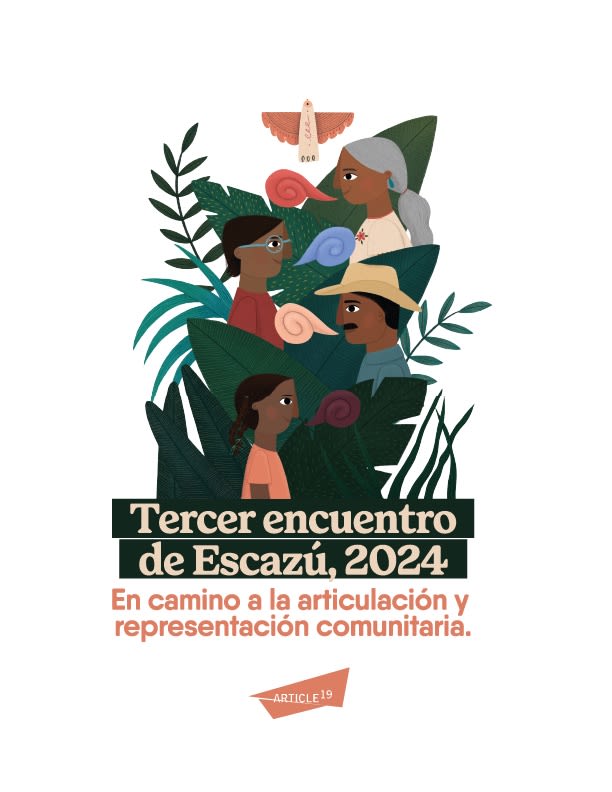
Governments at COP3 agreed to have plans in place to implement Escazú by 2026.
We will continue to work with civil society and environmental defenders to ensure the rights set out in Escazú become a reality on the ground.
Making the right to know a reality in Mexico
How ARTICLE 19 has empowered communities across Mexico with their right to know.

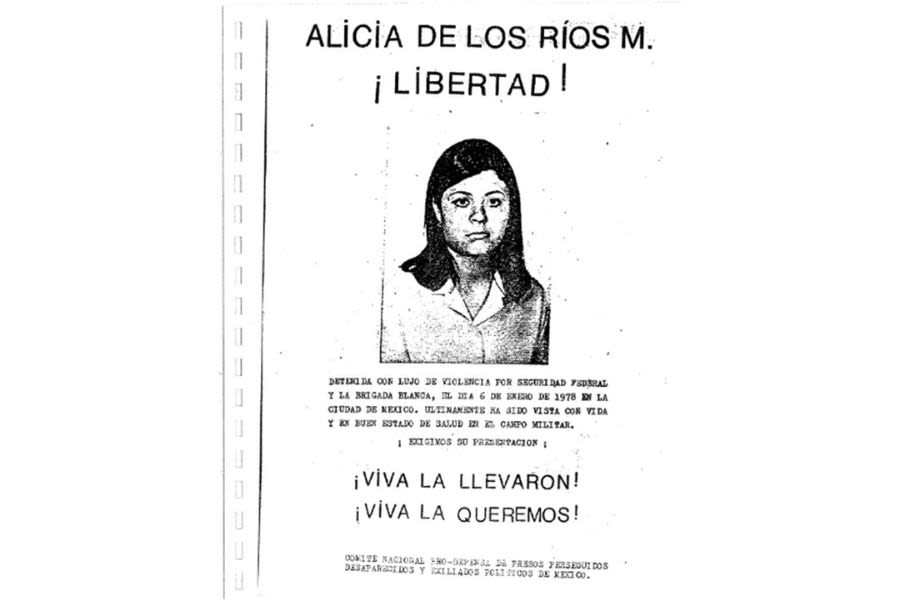
Winning justice for victims of Mexico’s ‘Dirty War’
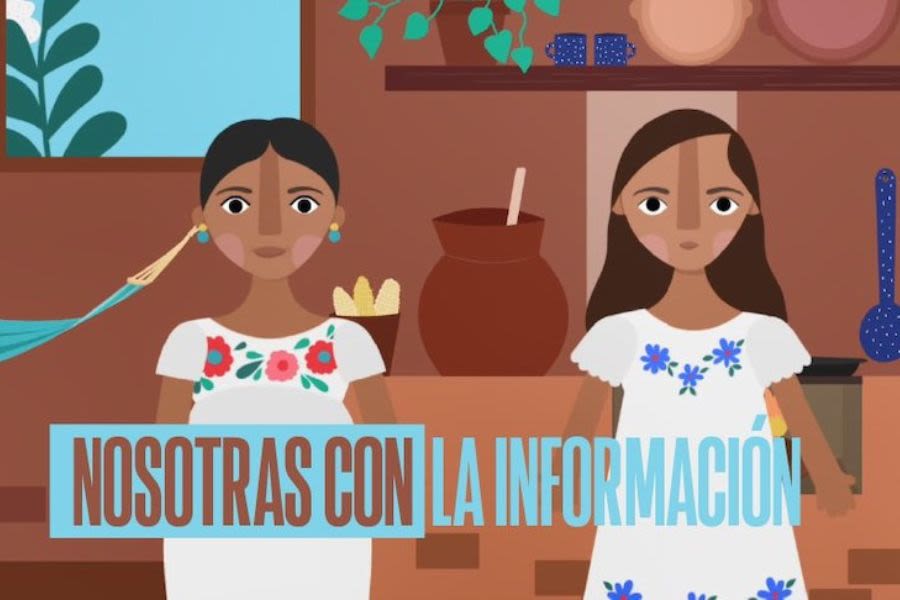
Empowering indigenous women women
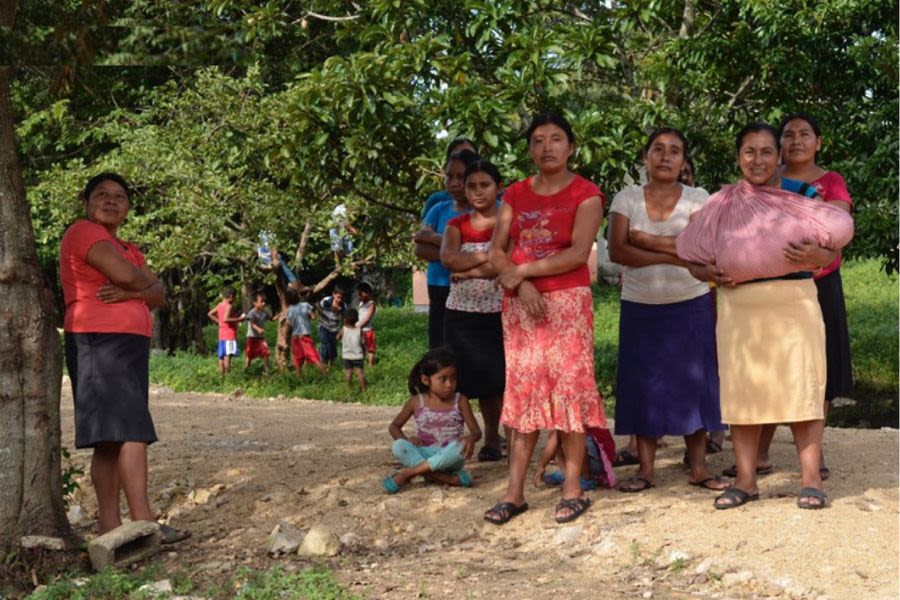
Securing healthcare for rural communities
MENA: Together for climate information
When it comes to climate change, the Middle East and North Africa (MENA) is one of the world’s most vulnerable regions, facing droughts, soaring temperatures, and rising sea levels.
Tackling these challenges requires all hands on deck: scientists to generate evidence, activists to push leaders to act on it, and journalists to inform the public about the state of the climate, what’s being done about it, and how to stay safe.
Yet ARTICLE 19 has found that there is little collaboration between these groups – or between countries – in the region.
In 2024, we set out to change that.
We brought together climate journalists, environmental human rights defenders, and scientists from 5 MENA countries – Algeria, Lebanon, Libya, Morocco, and Tunisia – to share their ideas, experiences, and strategies for tackling the climate crisis.
For some participants – especially those from Libya and Algeria, where environmental reporting is harshly restricted – this was their first time working publicly on the subject.

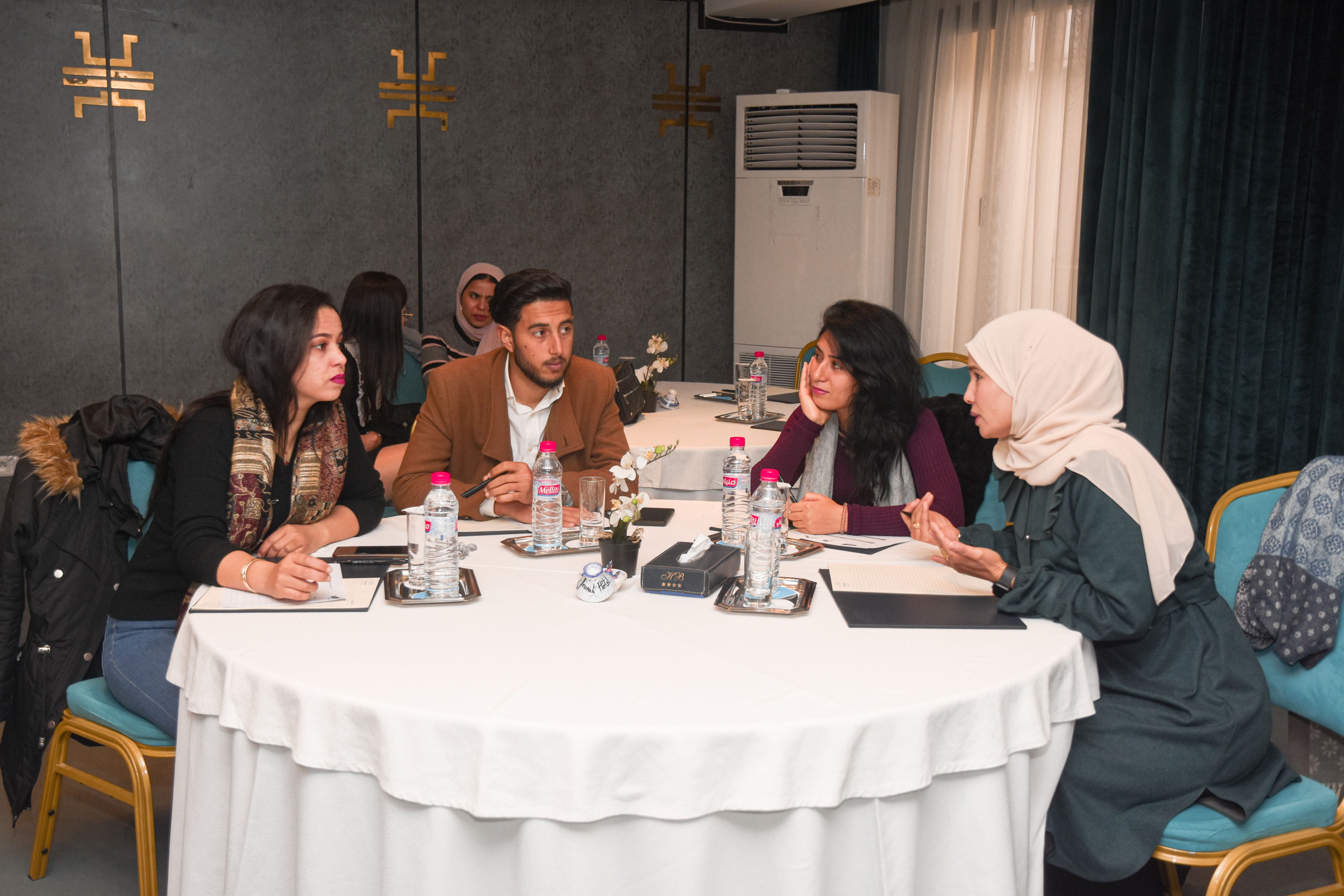
Participants at our Climate Change Network launch, January 2024. (ARTICLE 19 MENA)
Participants at our Climate Change Network launch, January 2024. (ARTICLE 19 MENA)
We supported them to use their RTI to investigate their countries’ most pressing environmental challenges and to share their findings with the public: not just in their home countries, but across the MENA region.
By facilitating cross-border collaboration, ARTICLE 19 is supporting resilience to climate change, disinformation, and media repression.

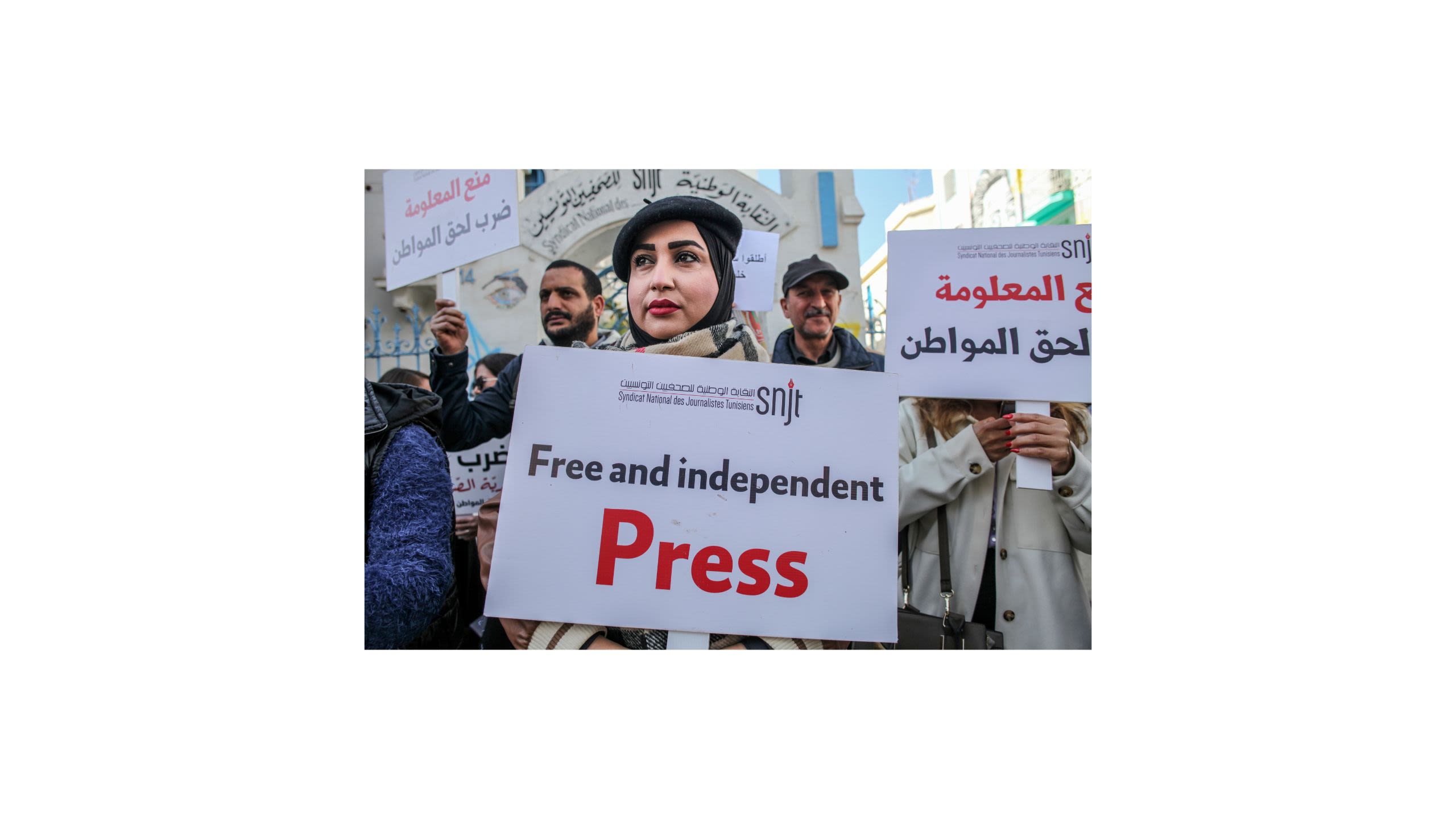
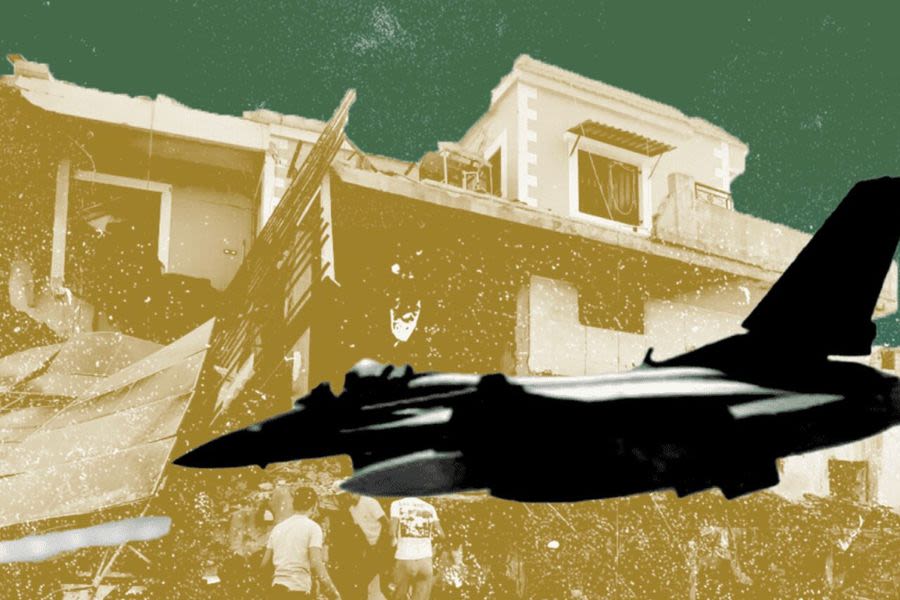
Here are a few of the environmental investigations we supported in MENA:







A user-centric approach to combating disinformation
The Western Balkans faces a distinct set of challenges, with disinformation campaigns exploiting political instability and social divides in the context of historical conflict.
When people are exposed to manufactured fear and manipulated facts, trust in the media erodes, elections lose their integrity, and our societies crumble under the weight of lies.
But when journalists are free to report accurately, honestly, and impartially, disinformation crumbles, truth thrives, and democracy flourishes.

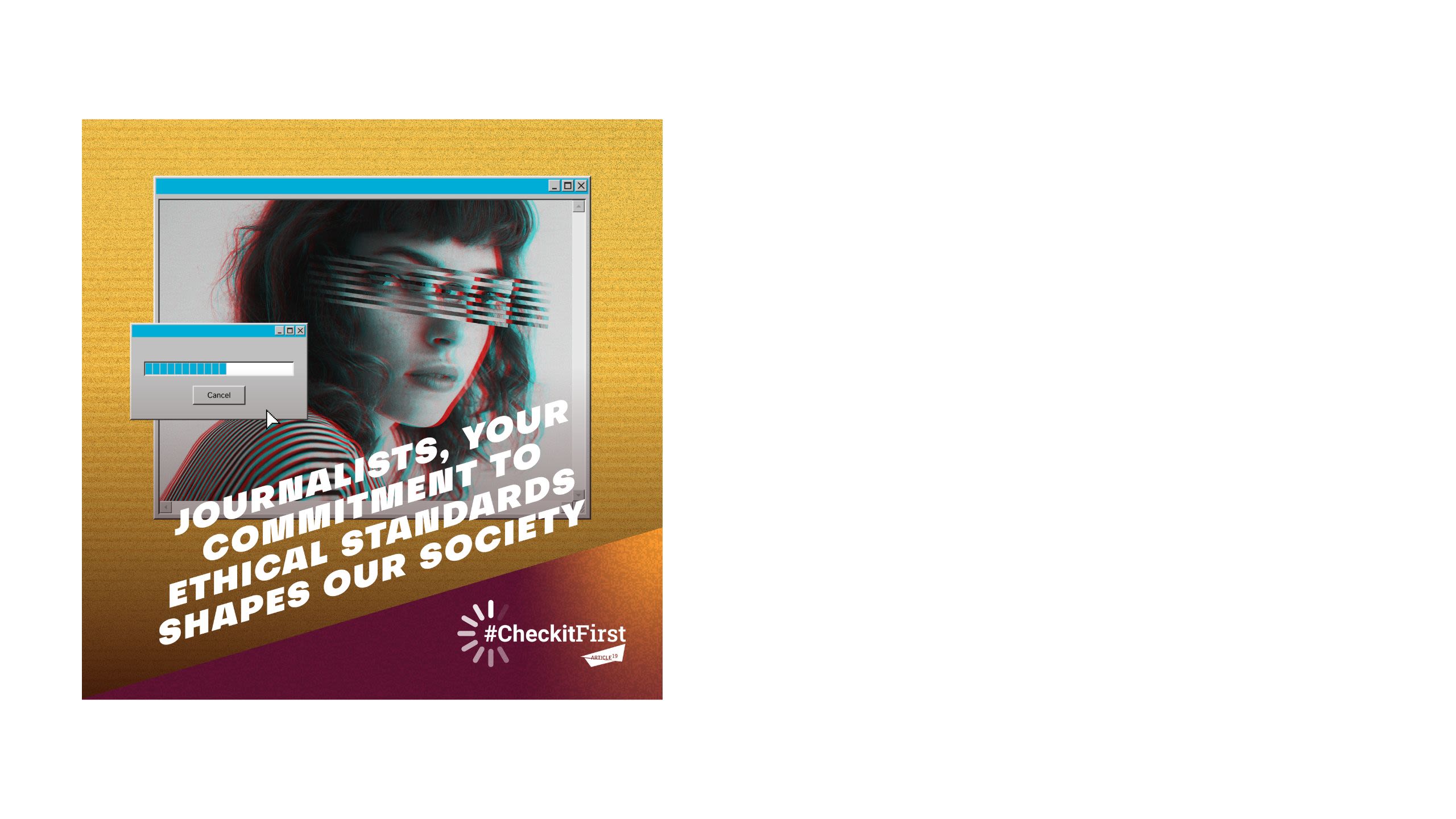
That’s why, on Debunking Day (11 March) 2024, ARTICLE 19 launched #CheckItFirst.
Our campaign promoted ethical journalism to extinguish the flames of fake news in 4 countries: Bosnia and Herzegovina, Kosovo, Montenegro, and Serbia.
Our campaign resulted in over 15 million impressions and 30,000 clicks across the Western Balkans.
Promoting ethical journalism
First, we encouraged journalists in the region to sign our Ethical Journalism Pledge.
In under 5 months, 70 journalists and media professionals signed our pledge, exceeding our target by 35%.

Next, we organised the Ethical Journalism Awards: a chance for journalists in the region to submit work that exemplified the principles of ethical journalism.
A panel of national and international judges chose a winner from each target country, who received EUR 1,000 and a week-long study trip to Brussels and London, where they met with EU officials, ARTICLE 19 staff, and media freedom experts.
The winners of our Ethical Journalism Awards 2024 tell us about the challenges they face – and how they’re overcoming them.
Tech for truth
Our extensive consultations with journalists and media organisations in the region, throughout the project lifecycle, revealed a pressing need for a practical tool that would enable them to provide accurate information.
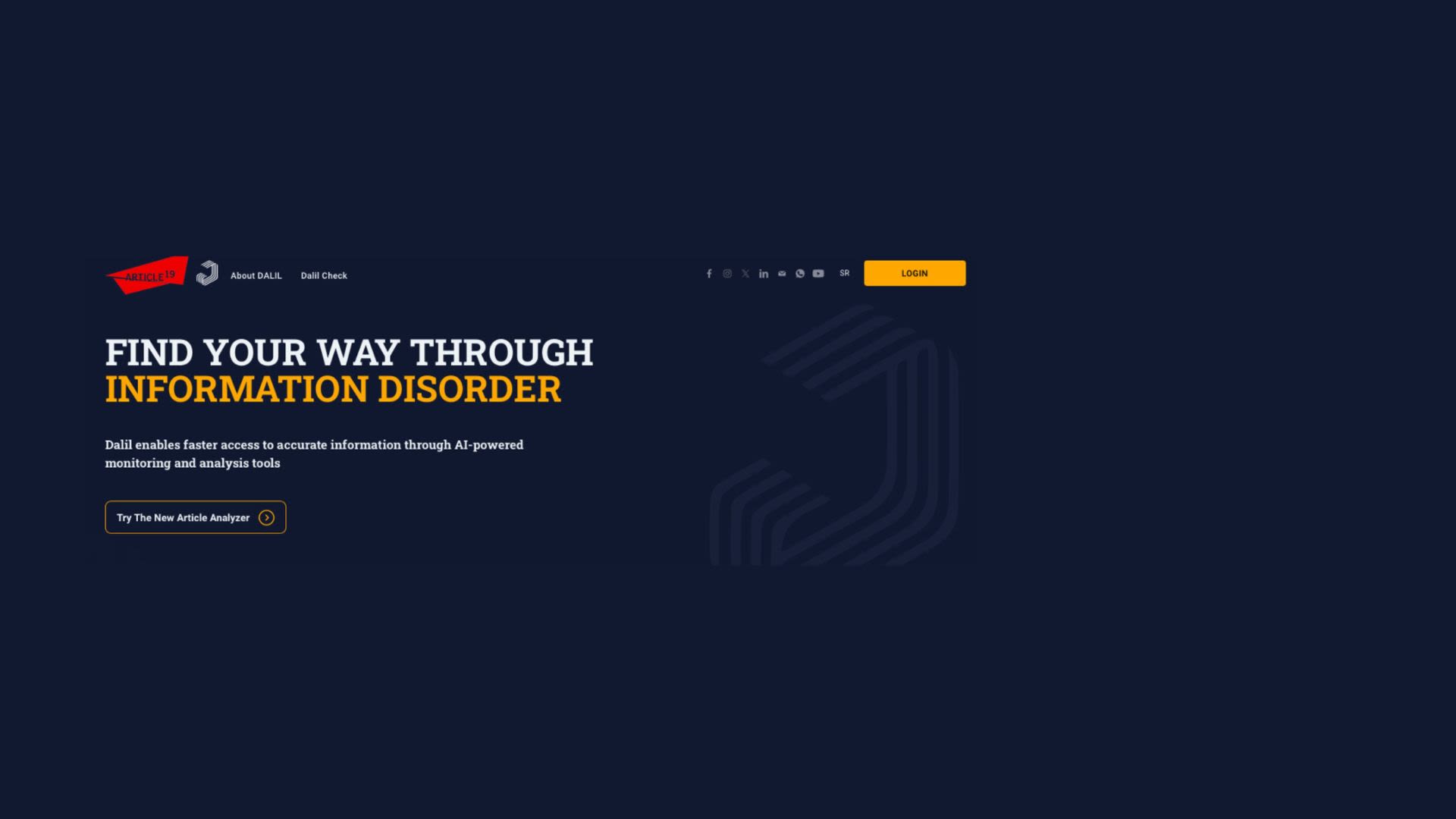
To address their needs, we harnessed the power of an award-winning AI-powered platform.
We worked with Siren Analytics, which had already developed a fact-checking tool – Disinformation Assessment and Listening Lab (DALIL) – for media in the MENA region.
DALIL uses AI to help journalists fact-check vast quantities of information, scanning and analysing multiple news sources. This rapid processing aids journalists to speed up the more monotonous and volume-based parts of their work so they can focus their effort and time on the decisions that require human judgement.
The MENA iteration of DALIL:
- automated the monitoring of over 400 media outlets
- scraped over 2.7 million articles
- won the Paris Peace Forum’s Scale-Up Program twice
How DALIL works
Rather than reinventing the wheel, we collaborated with our partners to localise this tried-and-tested tool for the Serbian context, adding local sources and translation tools to overcome language barriers.
After showcasing DALIL Western Balkans at Global Gathering in Portugal in September 2024, we held demo sessions with journalists in the region, finessed the platform further, and launched it in October 2024.
The platform now has over 50 users in our 4 target countries and includes 83 media sources identified by local journalists.
Empowering young people to #CheckItFirst
When it comes to combating disinformation, working with journalists is one part of the puzzle. But in a region where lack of trust in the media is rife – especially, as our campaign research discovered, among youth – educating young people to critically assess what they see, hear, and share online is just as vital.
By sharing case studies written by fact-checkers, creating a practical guide on how to identify and counter disinformation, and screening a campaign video in cinemas and film festivals across the region, we empowered young people with the knowledge, skills, and tools they need to #CheckItFirst.
We reached 65% of young Meta users – nearly 1 million people – in our target countries, surpassing our target by more than 20%.
Through campaigns like #CheckItFirst, ARTICLE 19 is creating a media landscape we can trust and safeguarding democracy for all.
World leaders defend information integrity
In April 2024, the UNHRC adopted a new resolution on countering disinformation, including in the contexts of armed conflict, elections, and AI.
Thanks to our advocacy, it reflected many of our positions, including on the ‘essential role’ that free expression plays in defending information integrity.
We also played a leading role in the development of the UN’s Global Principles for Information Integrity. Published in September, the principles aim to guide companies, journalists, civil society, governments, and the UN itself in their work.
And in November, the G20 summit’s final declaration included information integrity as one of its key points: one of ARTICLE 19’s advocacy demands.


Strengthening right to know laws worldwide
In 1990, just 14 countries had laws guaranteeing access to information.
In 1999, ARTICLE 19 published our best-practice standards on FOI laws. Over the next decade, the number of countries with FOI laws increased by a whopping 218% – more than ever before or since – as countries from Azerbaijan to Macedonia followed our recommendations.
Today, 138 countries – home to over 90% of the world’s population – have legal guarantees of the right to know.
On paper, then, the right to know is a huge global success story.
Yet in practice, at least 55 countries still lack a law guaranteeing people’s right to information (RTI). Some countries’ laws aren’t fit for purpose; others have laws that look good on paper, but poor implementation renders them meaningless; and in still other countries, the RTI is being actively eroded.
In 2024:
- Slovakia proposed new restrictions on FOI
- Iraq tried to pass a damaging new bill
- Mexico’s national transparency institution was eliminated
ARTICLE 19 defended people’s right to know throughout 2024.
Here’s how.
Kenya: RTI rules finally enacted
Kenya passed an RTI law back in 2016. But adopting a law is not the same as implementing a law. That’s why ARTICLE 19 spearheaded a campaign for regulations that make these rights a reality.
In March 2024, the RTI regulations finally came into force.
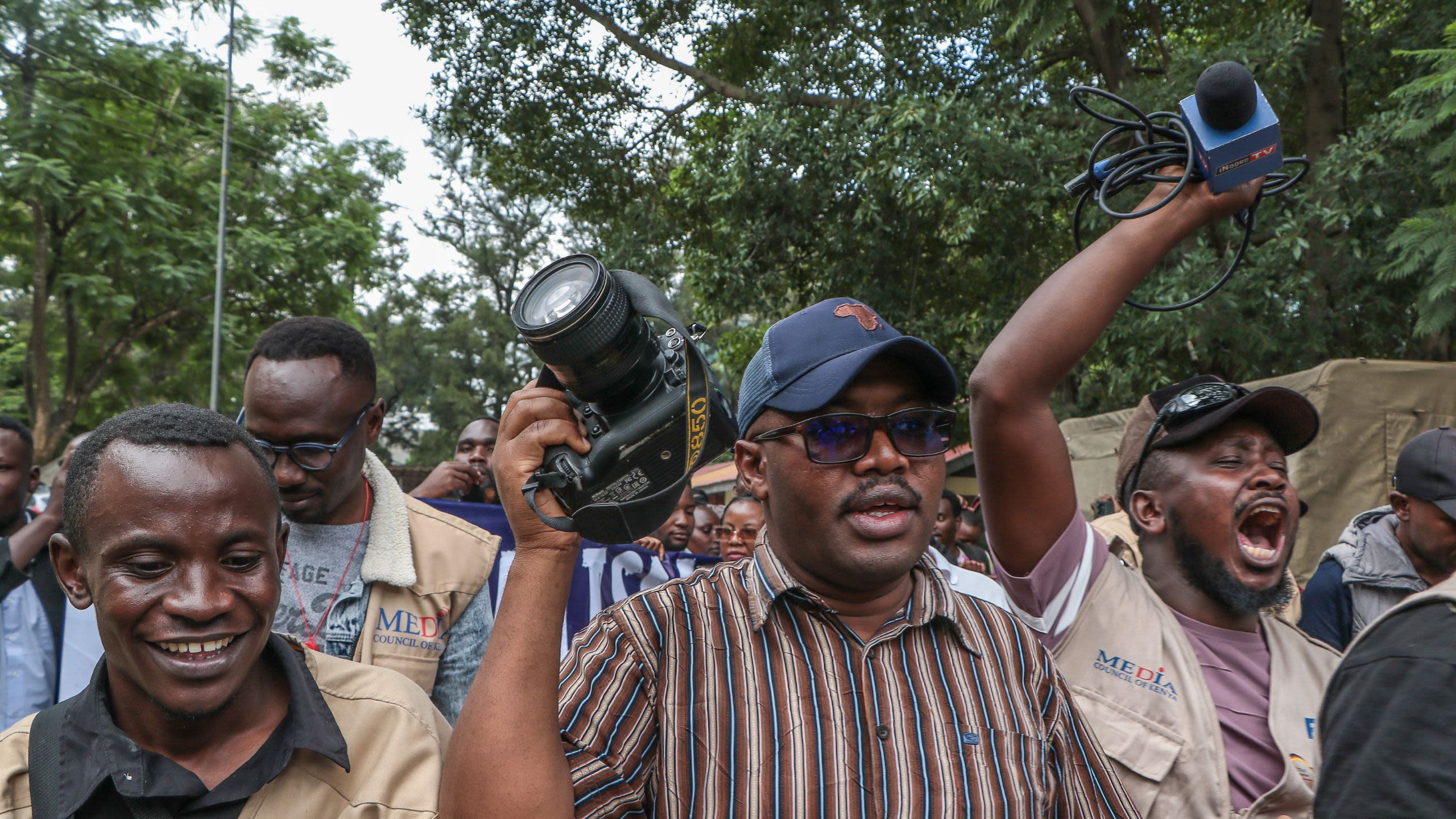
We were also appointed to a committee that will assess implementation of the RTI law; taught journalists, activists, and influencers how to use the law in practice; and have trained over 300 public officials from all 47 counties about their RTI obligations.
Kenya’s progress hasn’t gone unnoticed. Across Eastern Africa, countries are looking to Kenya to shape their own legal frameworks.
In 2024, Namibia approved an RTI law and Zambia enacted theirs.
ARTICLE 19 is working with Zambian civil society to support implementation.
And in West Africa – following relentless campaigning, over many years, by ARTICLE 19 – Senegal’s government finally took positive steps to advance the RTI.







Iraq: Collective campaign stops a bad bill in its tracks
In summer 2024 we received an urgent call from Tawasoul, our local NGO partner in Iraq, about a damaging new RTI bill that parliament was trying to pass.
Tawasoul knew that, in its current state, the bill would only worsen the corruption already rife in Iraqi business and government.
We couldn’t let that happen.
ARTICLE 19 drafted a letter urging MPs to amend the bill. We mobilised our global and regional partners, while Tawasoul set to work building a local campaign coalition.
Soon, around 600 individuals and organisations had signed our letter.
And it worked: MPs announced they wouldn’t support the bill without civil society input.
In October, MPs invited us to a workshop. We supported the campaign coalition to analyse the draft bill and identify what must change.
MPs agreed to revise the bill in line with our recommendations.
We are now pressing them to vote the revised bill into law.
Thanks to our joint campaign, a communication channel has opened up between MPs and civil society, policymakers better understand the RTI, journalists are more aware of the bill – and, if the law passes, Iraqis can openly challenge corruption.
‘Through close collaboration with ARTICLE 19, the campaign successfully halted the passage of the draft law. These efforts ultimately resulted in the amendment of approximately 70% of the law's provisions through difficult negotiations.’
– Wisam Jaafar (Tawasoul)
Malaysia: Huge strides towards RTI law
ARTICLE 19 and our civil society partners in Malaysia have spearheaded calls for an RTI law in Malaysia since 2019.
The campaign gained momentum throughout 2024.
And in a huge step forward, the government reached out to us several times for input.
This shift – from the authorities ignoring civil society to actively seeking our involvement – was the fruit of many years of sustained advocacy.
In December, the government announced it will table the RTI law in 2025.
We are now keeping up the pressure to ensure this promise becomes a reality and that the law meets international standards on freedom of expression and information.
How the right to know unlocks all other rights
Here’s how ARTICLE 19 has worked with communities worldwide to harness the power of information.
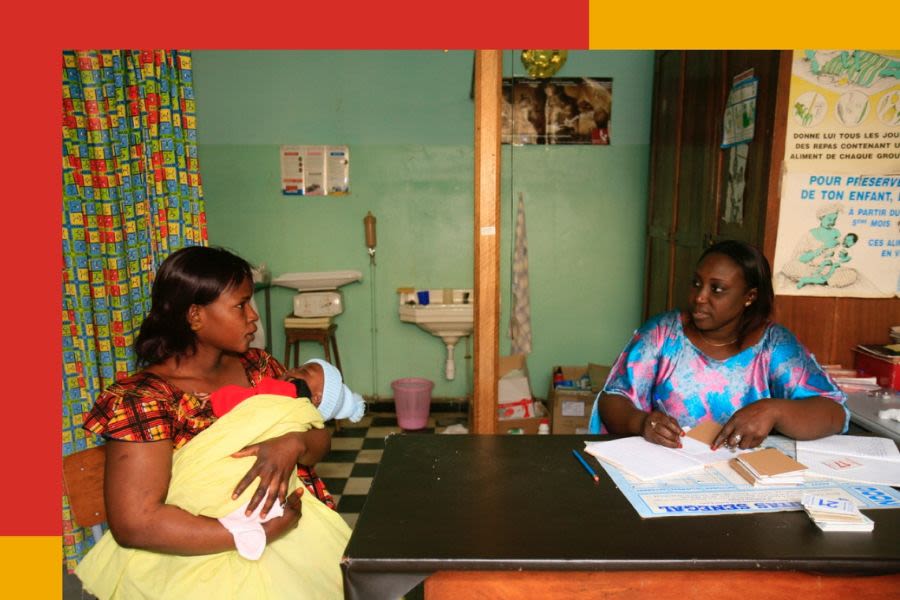
A woman and her baby wait for medication at a dispensary in Saint Luis, Senegal. (Philippe Lissac/Godong/Panos)
A woman and her baby wait for medication at a dispensary in Saint Luis, Senegal. (Philippe Lissac/Godong/Panos)
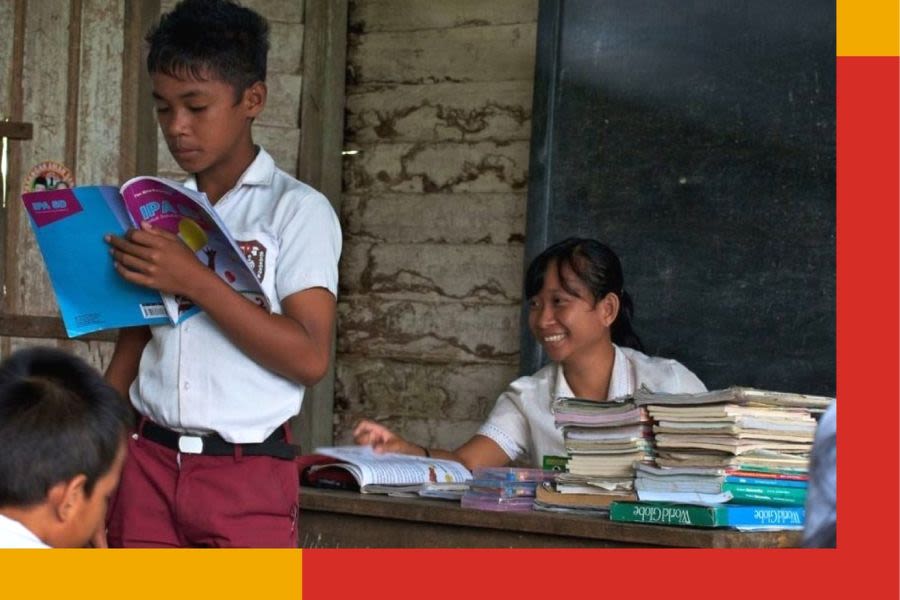
A boy reads in class in Pengerak, Indonesia. (Center For International Forestry Research/Ramadian Bachtiar)
A boy reads in class in Pengerak, Indonesia. (Center For International Forestry Research/Ramadian Bachtiar)
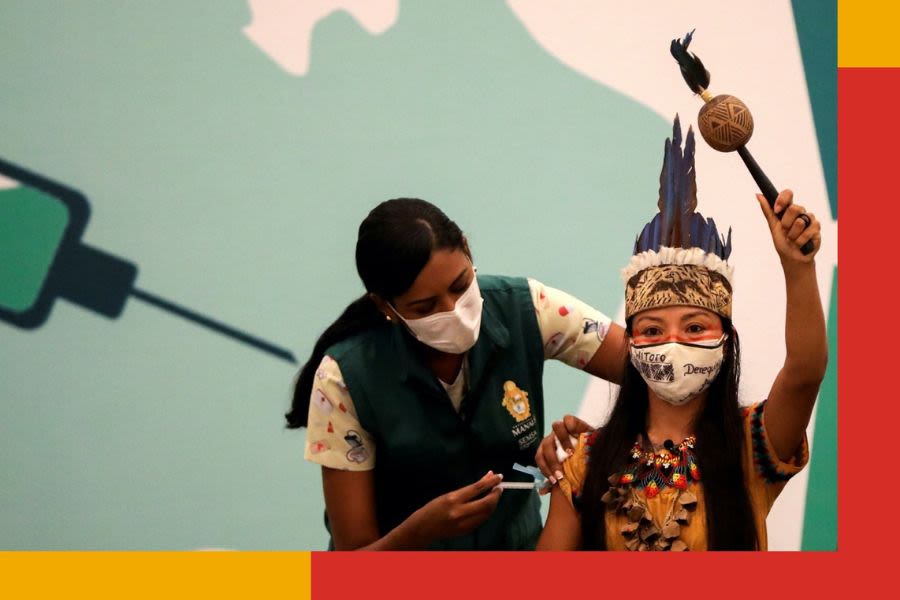
A woman from the Witoto tribe receives the Covid-19 vaccine in Manaus, Brazil. (Reuters/Bruno Kelly)
A woman from the Witoto tribe receives the Covid-19 vaccine in Manaus, Brazil. (Reuters/Bruno Kelly)
Now more than ever, we need your help.
With your investment, we can amplify people’s voices – all people’s voices – above the roar of toxic populism.
We can reclaim free speech from those who seek to destroy it.
And we can build on the successes in this report to create a freer, fairer future for all.


 Built with Shorthand